Reaction equation

[O-]P([O-])([O-])=O.[K+].[K+].[K+].[CH2:9]([NH:16][C:17]([NH2:19])=[O:18])[C:10]1[CH:15]=[CH:14][CH:13]=[CH:12][CH:11]=1.Br[C:21]1[CH:26]=[CH:25][CH:24]=[CH:23][CH:22]=1.CNCCNC>[Cu]I.O1CCOCC1>[CH2:9]([NH:16][C:17]([NH:19][C:21]1[CH:26]=[CH:25][CH:24]=[CH:23][CH:22]=1)=[O:18])[C:10]1[CH:15]=[CH:14][CH:13]=[CH:12][CH:11]=1Participants
Reactant 4
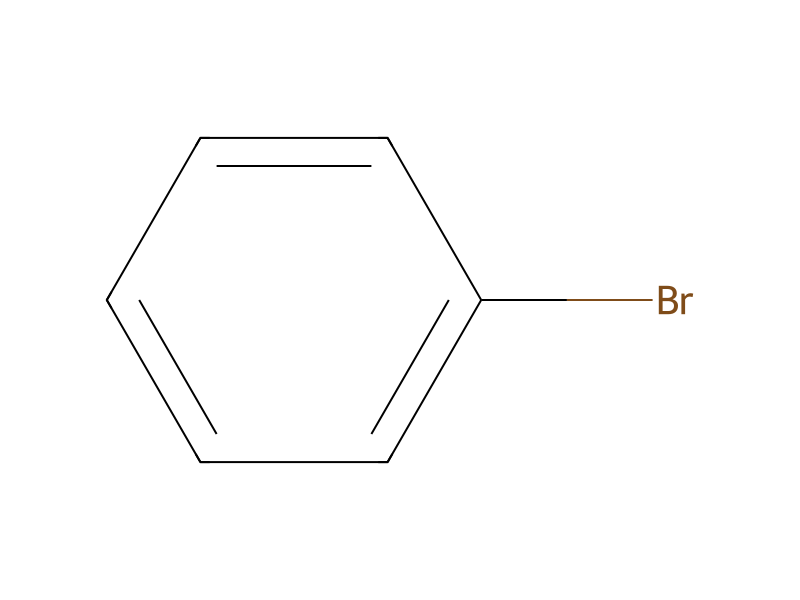
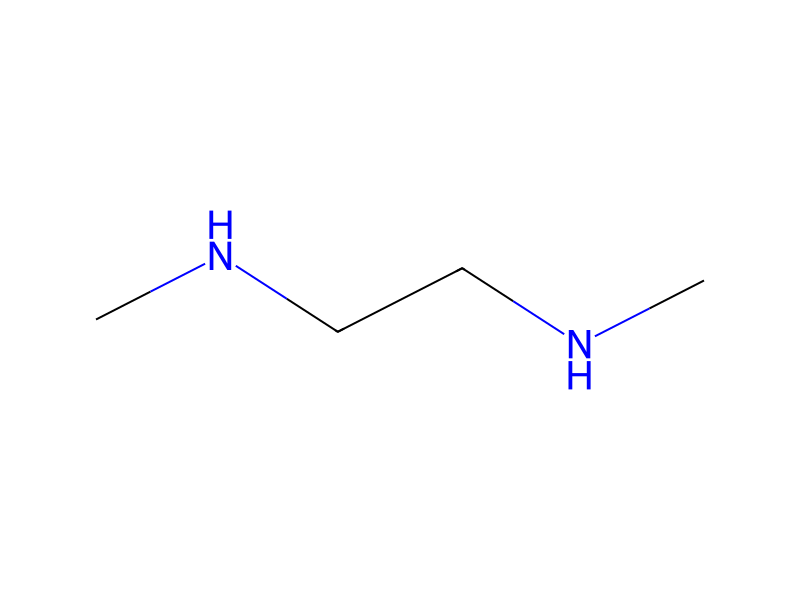


Product 1

Reagents, catalysts & solvents 2


Conditions
- Temperature
- 80 °C
Procedure
A test tube was charged with CuI (20 mg, 0.10 mmol, 0.10 equiv), K3PO4 (425 mg, 2.0 mmol, 2.0 equiv), benzylurea (225 mg, 1.5 mmol, 1.5 equiv), filled with argon. Bromobenzene (105 μL, 1.0 mmol, 1.0 equiv), N,N′-dimethylethylendiamine (22 μL, 0.20 mmol, 0.20 equiv) and dry dioxane (1.0 mL) were added under argon. The test tube was sealed and the reaction mixture was stirred at 80° C. for 25 h. The resulting suspension was cooled to room temperature and filtered through a 0.5×1 cm pad of silica gel, eluting with ethyl acetate. The filtrate was concentrated in vacuo. The solid residue was dissolved in ˜2 mL DMF. Purification of the residue by flash chromatography on silica gel (2×20 cm; hexane:ethyl acetate 3:1) provided 179 mg (79% yield) of the title compound as a white solid.
Workup
- additionfilled with argon
- customThe test tube was sealed
- temperatureThe resulting suspension was cooled to room temperature
- filtrationfiltered through a 0.5×1 cm pad of silica gel
- washeluting with ethyl acetate
- concentrationThe filtrate was concentrated in vacuo
- dissolutionThe solid residue was dissolved in ˜2 mL DMF
- customPurification of the residue by flash chromatography on silica gel (2×20 cm; hexane:ethyl acetate 3:1)
Sources & evidence
- ORD record
- ord-3bd4478075bd488e8b4de0c1ea3c661b
- Source dataset
- uspto-grants-2004_07
- Patent number
- US06759554B2
Linked notes
Loading…