HomeMCPWorkbenchSkills
HomeWorkbenchNotificationsMe
llms.txt · MCP GuidePrivacy Policy · Terms of Service · Supportv1.8.3
  1. Home
  2. /Reaction

Ammonium Chloride → 4-(1,4-Dioxaspiro[4.5]decan-8-yl)-1-(4-butoxy-2,3-difluorophenyl)-cyclohexanol

HRID 1886719
Print

Reaction equation

HRID 1886719 reaction equation
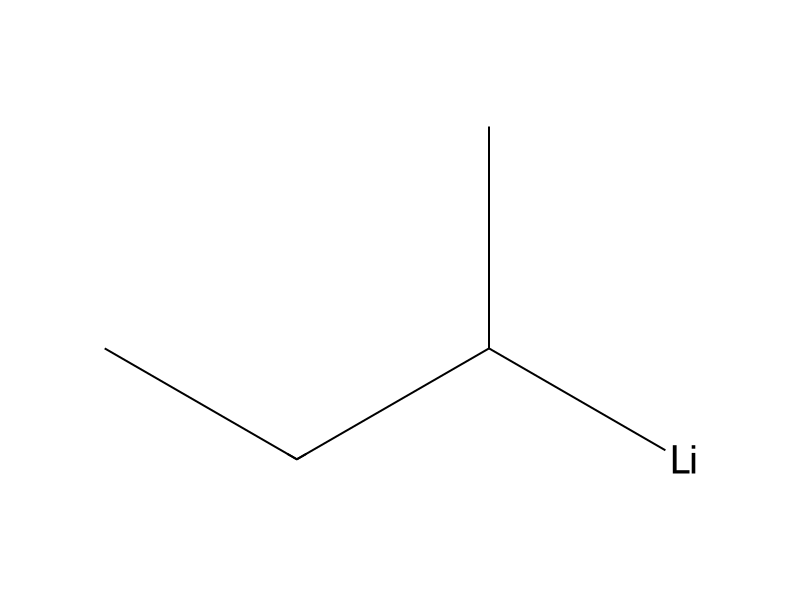
[CH2:1]([O:5][C:6]1[C:7]([F:13])=[C:8]([F:12])[CH:9]=[CH:10][CH:11]=1)[CH2:2][CH2:3][CH3:4].C([Li])(CC)C.[O:19]1[C:23]2([CH2:28][CH2:27][CH:26]([CH:29]3[CH2:34][CH2:33][C:32](=[O:35])[CH2:31][CH2:30]3)[CH2:25][CH2:24]2)[O:22][CH2:21][CH2:20]1.[Cl-].[NH4+]>C1COCC1.C(OCC)(=O)C>[O:19]1[C:23]2([CH2:24][CH2:25][CH:26]([CH:29]3[CH2:34][CH2:33][C:32]([C:9]4[CH:10]=[CH:11][C:6]([O:5][CH2:1][CH2:2][CH2:3][CH3:4])=[C:7]([F:13])[C:8]=4[F:12])([OH:35])[CH2:31][CH2:30]3)[CH2:27][CH2:28]2)[O:22][CH2:21][CH2:20]1
ParticipantsProcedureWorkupSources & evidenceReaction notes

Participants

7

Reactant 4

HCID 25517Ammonium ChlorideHCID 8109134-(1,4-Dioxa-spiro(4.5)dec-8-yl)-cyclohexanoneHCID 27829391-Butoxy-2,3-DifluorobenzeneHCID 178418400CID 53628100

Product 1

HCID 666825234-(1,4-Dioxaspiro[4.5]decan-8-yl)-1-(4-butoxy-2,3-difluorophenyl)-cyclohexanolYield 99.6%

Reagents, catalysts & solvents 2

HCID 8028TetrahydrofuranSolvent2×HCID 8857Ethyl AcetateSolvent

Procedure

3-Butoxy-1,2-difluorobenzene (7) (10.0 g) and THF (200 ml) were added to a reaction vessel under an atmosphere of nitrogen, and cooled to −74° C. sec-Butyllithium (1.00 M, in n-hexane and cyclohexane solution; 64.0 ml) was added dropwise in the temperature range of −74° C. to −70° C., and the stirring was continued for another 2 hours. Successively, 4-(1,4-dioxaspiro[4.5]decan-8-yl)-cyclohexanone (21) (12.8 g) in THF (50 ml) solution was added dropwise in the temperature range of −75° C. to −70° C., while the mixture was allowed to come to 25° C. The reaction mixture was poured into a 3%-aqueous solution of ammonium chloride (100 ml) and ethyl acetate (100 ml) in a vessel and mixed with them. The mixture was then allowed to stand until it had separated into two phases of organic and aqueous phases, and the extraction into an organic phase was carried out. The resulting organic phase was separated, and washed successively with water, a saturated aqueous solution of sodium hydrogencarbonate and water, and then dried over anhydrous magnesium sulfate. The solvent was then distilled off under reduced pressure to leave 4-(1,4-dioxaspiro[4.5]decan-8-yl)-1-(4-butoxy-2,3-difluorophenyl)-cyclohexanol (22) (22.7 g). The resulting compound (22) was a pale yellow oil.

Workup

  1. additionwas added dropwise in the temperature range of −74° C. to −70° C.
  2. customto come to 25° C
  3. additionmixed with them
  4. customhad separated into two phases of organic and aqueous phases
  5. extractionthe extraction into an organic phase
  6. customThe resulting organic phase was separated
  7. washwashed successively with water
  8. dry with materiala saturated aqueous solution of sodium hydrogencarbonate and water, and then dried over anhydrous magnesium sulfate
  9. distillationThe solvent was then distilled off under reduced pressure

Sources & evidence

ORD record
ord-3234bb206660487796acc281d3390ee0
Source dataset
uspto-grants-2013_08
DOI
10.6084/m9.figshare.5104873.v1
Patent number
US08501038B2

Reaction notes

On this pageParticipantsProcedureWorkupSources & evidenceReaction notes