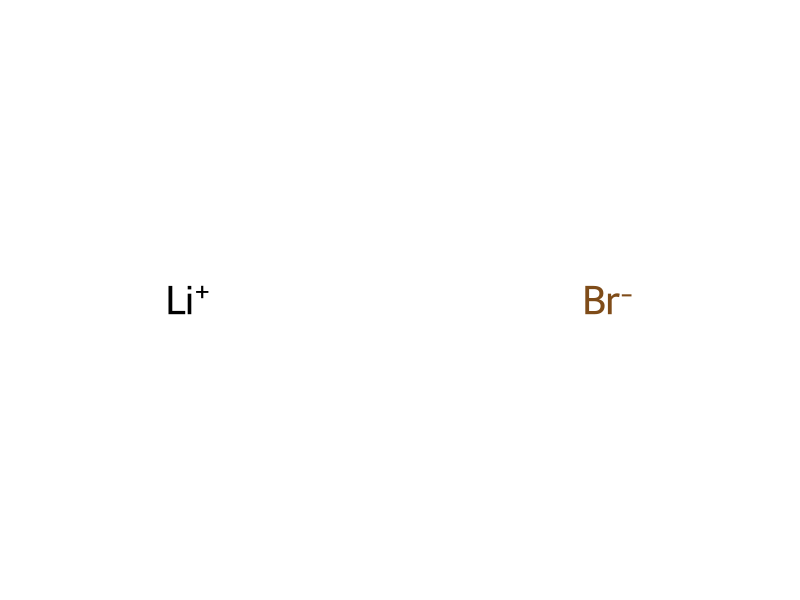
Lithium bromide (11.51 g, 132 mmol) was added to a stirred solution of tosylate (35b) (5.28 g, 13.2 mmol) in anhydrous DMF (75 mL) and the mixture heated at 130° C. for 4 hours. The black solution was left to cool to ambient temperature then reduced in vacuo. The residue was taken into DCM (100 mL) and washed with H2O (100 mL). The organic layer was dried (Na2SO4), filtered and reduced in vacuo to leave a black tar (Yield 3.3 g). Flash chromatography over silica, eluting with ethyl acetate:heptane mixtures 5:95 to 30:70 gave bromide (111) (2.14 g, 52.6%) as a pale green solid. TLC (Rf=0.4, EtOAc:heptane 3:1), analytical HPLC main peak, Rt=9.34 min., HPLC-MS 252.1/254.1 [M+H−56]+, 308.1/310.1 [M+H]+; 330.0/332.0 [M+Na]+; [α]D22 −90.2° (c=2.33, CHCl3); δC (125 MHz, CDCl3) 28.35/28.44 ((CH3)3C), 48.26/48.75 (BrCHCH), 53.48/54.14 (BocNCH2), 67.78/68.29 (BocNCH), 75.48/75.63 (OCH2CHOH), 75.24/76.08 (OCH2CHOH), 80.78/81.07 ((CH3)3C quaternary), 87.01/87.85 (BrCHCH), 153.83/154.61 (Boc C═O).