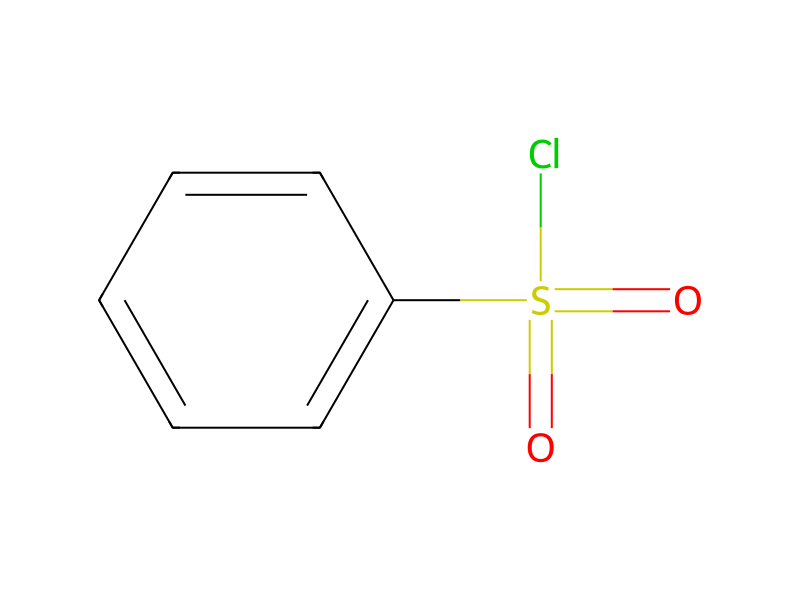
[CH3:1][O:2][C:3]([C:5]1[C:13]2[C:8](=[N:9][CH:10]=[C:11]([Br:14])[CH:12]=2)[NH:7][CH:6]=1)=[O:4].[C:15]1([S:21](Cl)(=[O:23])=[O:22])[CH:20]=[CH:19][CH:18]=[CH:17][CH:16]=1.C(N(CC)CC)C>C1COCC1.C(=O)([O-])[O-].[Na+].[Na+]>[CH3:1][O:2][C:3]([C:5]1[C:13]2[C:8](=[N:9][CH:10]=[C:11]([Br:14])[CH:12]=2)[N:7]([S:21]([C:15]2[CH:20]=[CH:19][CH:18]=[CH:17][CH:16]=2)(=[O:23])=[O:22])[CH:6]=1)=[O:4]A mixture of 5-bromo-1H-pyrrolo[2,3-b]pyridine-3-carboxylic acid methyl ester (15.0 mmol), benzenesulfonyl chloride (11.9 g, 8.61 mL, 67.5 mmol) and triethylamine (9.61 g, 13.2 mmol) in dry THF (100 mL) was heated under reflux for 19 h. The resultant suspension was allowed to cool to ambient temperature and diluted with saturated aqueous sodium carbonate solution (50 mL) and extracted with DCM (2×50 mL) and THF (1×50 mL). The combined organic phase was dried over anhydrous magnesium sulfate and concentrated in vacuo. The resultant residue was purified by flash chromatography (silica, 50 g cartridge, Si-SPE, 0-100% DCM in pentane). The relevant fractions were concentrated in vacuo and the residue was triturated with pentane (10 mL) to afford the title compound as a white solid (5.25 g, 88%). LCMS (Method B): RT=4.11 min, M+H+=395/397.