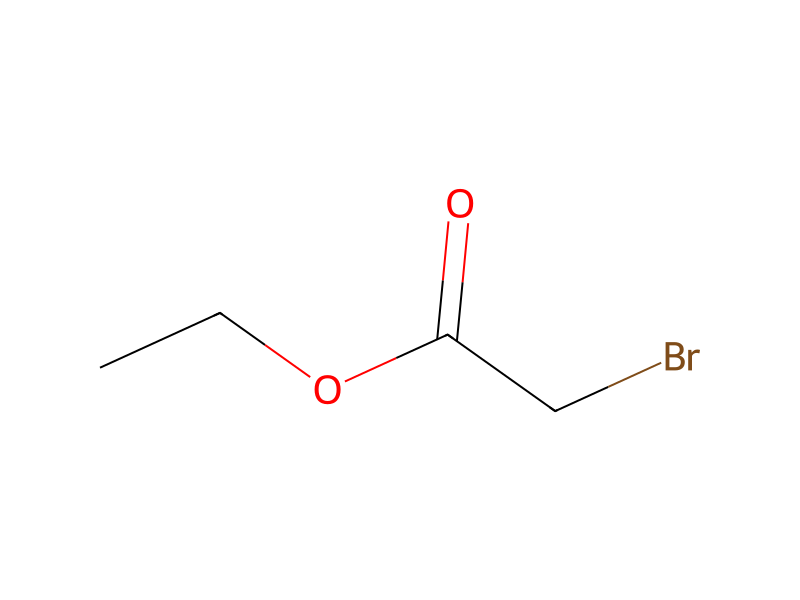
[H-].[Na+].[NH2:3][CH2:4][C:5]1([NH:11][C:12]2[CH:17]=[CH:16][CH:15]=[CH:14][CH:13]=2)[CH2:10][CH2:9][CH2:8][CH2:7][CH2:6]1.Br[CH2:19][C:20]([O:22][CH2:23][CH3:24])=[O:21].O>CN(C)C=O>[C:12]1([NH:11][C:5]2([CH2:4][NH:3][CH2:19][C:20]([O:22][CH2:23][CH3:24])=[O:21])[CH2:10][CH2:9][CH2:8][CH2:7][CH2:6]2)[CH:17]=[CH:16][CH:15]=[CH:14][CH:13]=1150 mg (3.75 mmol) of sodium hydride are added to a solution of 700 mg (3.42 mmol) of (1-aminomethylcyclohexyl)phenylamine (obtained in Example 2/b) in 20 ml of dimethylformamide. The solution is stirred for 1 h at room temperature and then 310 μl (3.4 mmol) of ethyl bromoacetate are added. The reaction medium is stirred at room temperature for 2 h and then poured into water and extracted with ethyl acetate. The organic phases are collected and washed with water. They are dried over sodium sulfate. The solvents are evaporated. The residue is chromatographed on silica gel (heptane then heptane/ethyl acetate 80/20, v/v). 652 mg of ethyl [(1-phenylaminocyclohexylmethyl)amino]acetate are obtained in the form of a colorless oil. Yield=65%.