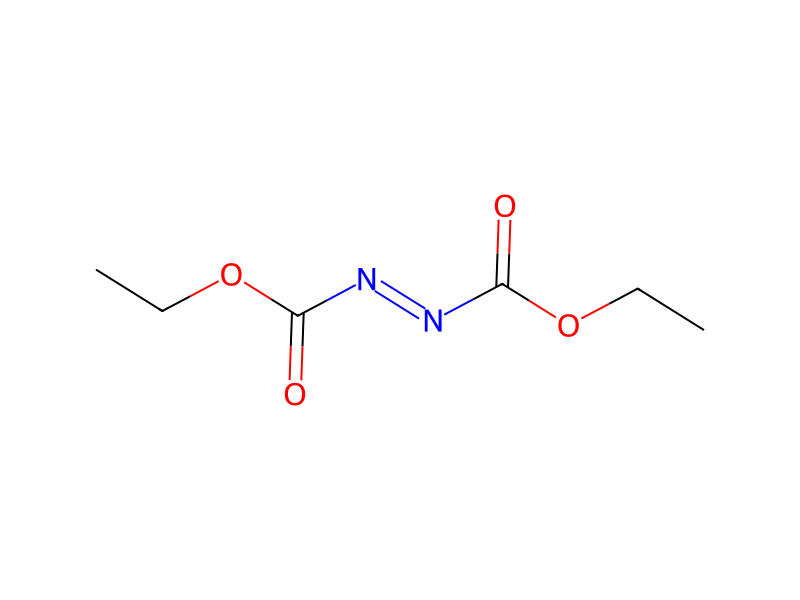
C[C:2]1[CH:18]=[CH:17][CH:16]=[CH:15][C:3]=1[O:4][CH:5]([C:12]([OH:14])=O)[CH2:6][C@@H:7]([C:9]([OH:11])=[O:10])[NH2:8].[C:19]1(P(C2C=CC=CC=2)C2C=CC=CC=2)C=CC=CC=1.[Br:38][C:39]1[CH:40]=C2C(=[CH:47][CH:48]=1)C=C(O)C=C2.CCOC(/N=N/C(OCC)=O)=O>O1CCCC1>[Br:38][C:39]1[CH:40]=[C:17]2[C:18](=[CH:47][CH:48]=1)[CH:2]=[C:3]([O:4][CH:5]1[CH2:6][CH:7]([C:9]([O:11][CH3:19])=[O:10])[NH:8][C:12]1=[O:14])[CH:15]=[CH:16]2A mixture of the compound prepared as described in Example 4 (0.498 g), triphenylphosphine (0.932 g), and 6-bromo-2-naphthol (0.793 g) in tetrahydrofuran (4.3 ml) was cooled to approximately 1°-2° C., and treated with a solution of diethylazodicarboxylate (0.619 g) in tetrahydrofuran (4.3 ml) over a one minute period. After the addition was complete, the reaction was allowed to warm to room temperature. After about 23 hours, the solution was concentrated in vacuo. The residue was diluted with chloroform (2 ml), the insoluble material removed by filtration, and the filtrate concentrated in vacuo. The oil was dissolved in methylene chloride and purified by preparative centrifugal thin-layer chromatography (4 mm plate, flow rate=8 ml/min), eluting with ethyl acetate/hexane (1:1) until first band elutes then solvent switched to hexane:ethyl acetate (1:3). The fractions containing the title compound were combined, dried over magnesium sulfate, filtered and concentrated in vacuo to give methyl 3-(6-bromo-2-naphthyloxy)-2-pyrrolidone-5-carboxylate (778 mg).