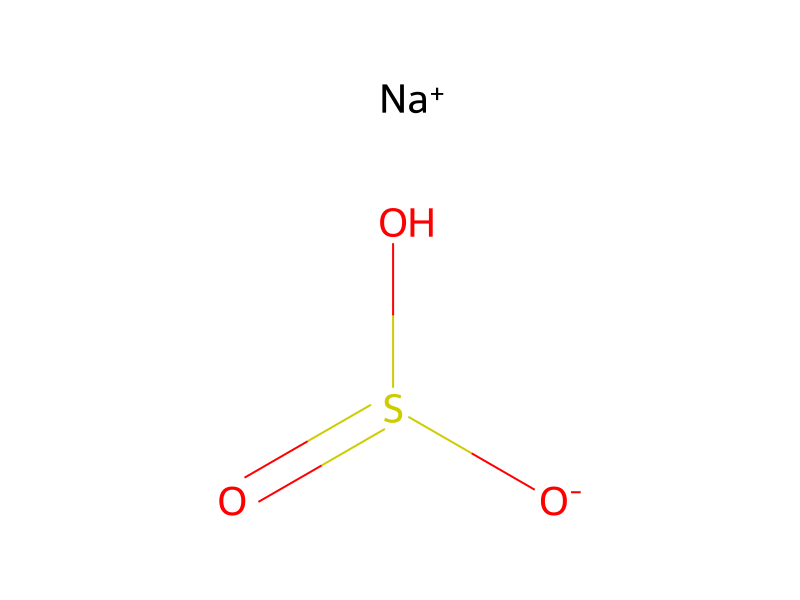
OO.S(=O)(=O)(O)O.[Cl:8][C:9]1[CH:31]=[CH:30][C:12]2[C:13]3[C:14](=[CH:25][N:26]([CH3:29])[C:27]=3[CH3:28])[CH2:15][N:16]=[C:17]([C:18]3[CH:23]=[CH:22][CH:21]=[CH:20][C:19]=3[Cl:24])[C:11]=2[CH:10]=1.S(=O)(O)[O-:33].[Na+]>C(O)(=O)C>[Cl:8][C:9]1[CH:31]=[CH:30][C:12]2[C:13]3[CH:27]([CH3:28])[N:26]([CH3:29])[C:25](=[O:33])[C:14]=3[CH2:15][N:16]=[C:17]([C:18]3[CH:23]=[CH:22][CH:21]=[CH:20][C:19]=3[Cl:24])[C:11]=2[CH:10]=1In one portion, 0.7 ml (5.9 mmol) of a 30% hydrogen peroxide solution was added to 33 ml of a 1% solution of concentrated sulfuric acid in acetic acid. After stirring for 1 hour, 1.8 g (5.0 mmol) of 8-chloro-6-(2-chlorophenyl)-1,2-dimethyl-2H,4H-pyrrolo[3,4-d][2]benzazepine were added, and the resulting solution was stirred for 20 minutes. The excess peracid was discharged by the addition of saturated aqueous sodium bisulfite solution, and the mixture was concentrated at reduced pressure. The residue was partitioned between methylene chloride and water and basififed with concentrated ammonium hydroxide solution. The methylene chloride solution was washed with brine, dried over anhydrous sodium sulfate and concentrated at reduced pressure to a yellow residue. Crystallization from ethyl aceatate gave 8-chloro-6-(2-chlorophenyl)-1,4-dihydro-1,2-dimethylpyrrolo[3,4-d][2]benzazepin-3(2H)-one as pale yellow prisms, mp 207°-208° C.