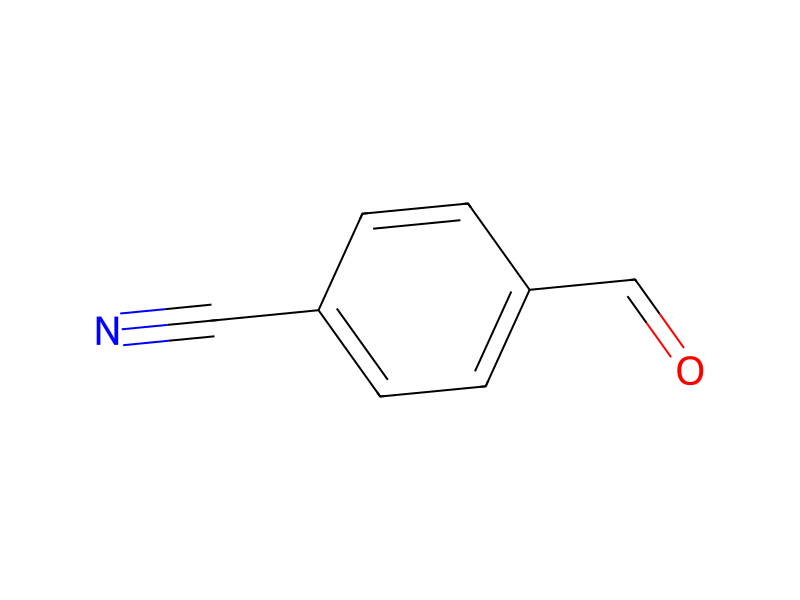
To a solution of 39.3 g of 4-cyanobenzaldehyde and 25.2 g of cyclopropyl methyl ketone in 60 ml of absolute ethanol was added 21 ml of 20% sodium hydroxide solution over a 25 minute period. The mixture was stirred for one hour at room temperature, cooled to 1° C. and 40 ml of cold water added. The solid material was collected by filtration and triturated with 450 ml of methylene dichloride and 150 ml of water at room temperature. The aqueous phase was extracted with methylene dichloride and the combined organic layers dried and concentrated in vacuo. The residue was recrystallized from absolute ethanol to give 45.0 g of 4-cyanophenylvinyl cyclopropyl ketone, m.p. 104° C.