HomeMCPWorkbenchSkills
HomeWorkbenchNotificationsMe
llms.txt · MCP GuidePrivacy Policy · Terms of Service · Supportv1.8.3
  1. Home
  2. /Reaction

1,3-Dibromopropane → 4-(3-Bromopropoxy)-2,2-dimethyl-1-(1-piperidinyl)indan

HRID 1905755
Print

Reaction equation

HRID 1905755 reaction equation
[OH-].[K+].[CH3:3][C:4]1([CH3:20])[CH2:12][C:11]2[C:6](=[CH:7][CH:8]=[CH:9][C:10]=2[OH:13])[CH:5]1[N:14]1[CH2:19][CH2:18][CH2:17][CH2:16][CH2:15]1.[Br:21][CH2:22][CH2:23][CH2:24]Br>C(Cl)Cl.[Cl-].C([N+](CCCC)(CCCC)CCCC)CCC>[Br:21][CH2:22][CH2:23][CH2:24][O:13][C:10]1[CH:9]=[CH:8][CH:7]=[C:6]2[C:11]=1[CH2:12][C:4]([CH3:20])([CH3:3])[CH:5]2[N:14]1[CH2:19][CH2:18][CH2:17][CH2:16][CH2:15]1
ParticipantsProcedureWorkupSources & evidenceReaction notes

Participants

6

Reactant 3

HCID 80011,3-DibromopropaneHCID 14797Potassium HydroxideHCID 201371322,2-Dimethyl-4-hydroxy-1-(1-piperidinyl)indan

Product 1

HCID 201371304-(3-Bromopropoxy)-2,2-dimethyl-1-(1-piperidinyl)indan

Reagents, catalysts & solvents 2

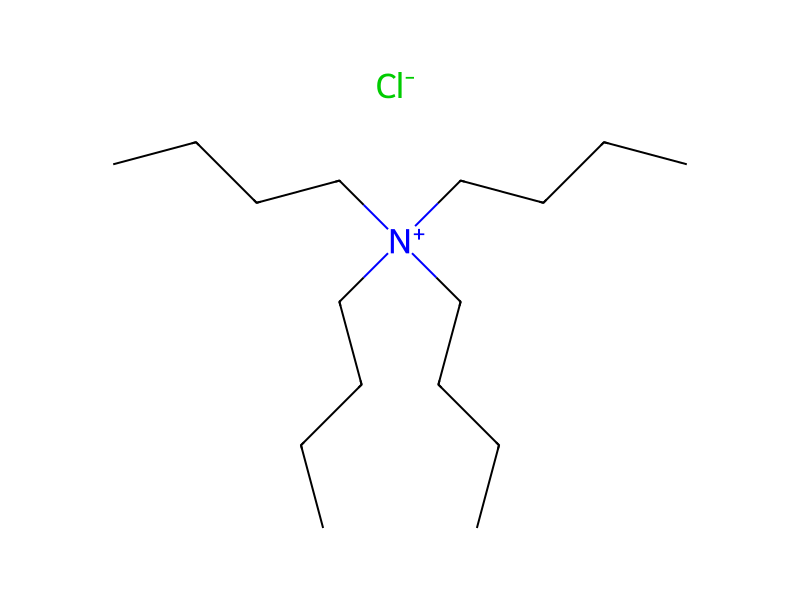
HCID 70681Tetrabutylammonium ChlorideCatalyst
HCID 6344
Dichloromethane
Solvent
2×

Procedure

Potassium hydroxide (1.44 g) is added to a stirred solution of the 4-hydroxy compound of Step 4. above (5 g) in methylene chloride (44 ml) and stirring is continued under N2 for 30 min. 1,3-Dibromopropane (20.7 ml) and tetrabutyl ammonium chloride (0.63 g) are added and the mixture is stirred at RT for about 70 hours. The reaction mixture is diluted with methylene chloride, washed with H2O, dried, filtered and the filtrate evaporated in vacuo. The residue is chromatographed (silica gel, hexane/ether) affording the purified desired product as an oil.

Workup

  1. washwashed with H2O
  2. customdried
  3. filtrationfiltered
  4. customthe filtrate evaporated in vacuo
  5. customThe residue is chromatographed (silica gel, hexane/ether)
  6. customaffording the
  7. custompurified desired product as an oil

Sources & evidence

ORD record
ord-5ec9cc7bbb4c450db260fb5b569bc21d
Source dataset
uspto-grants-1987_03
DOI
10.6084/m9.figshare.5104873.v1
Patent number
US04647559

Reaction notes

On this pageParticipantsProcedureWorkupSources & evidenceReaction notes