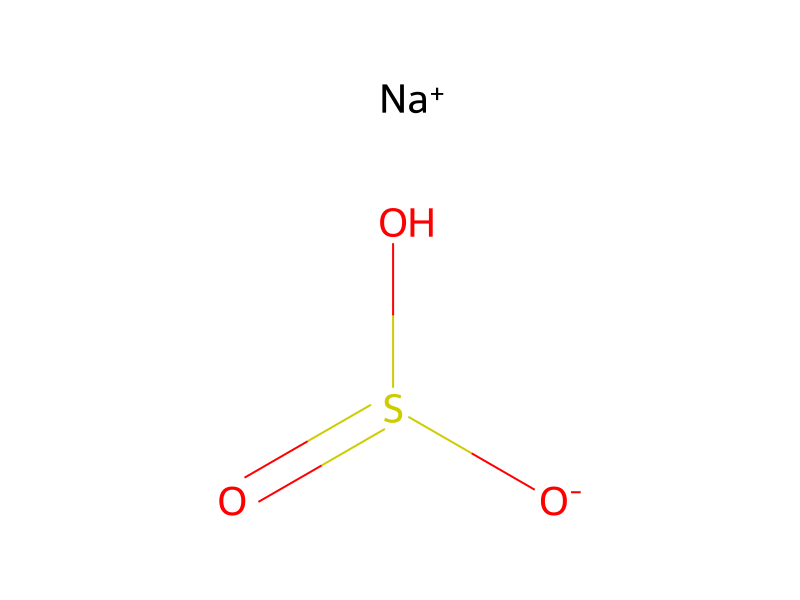
A solution of bromine (20 g, 0.125 mol) in acetic acid (50 mL) is added dropwise over three hours to a solution of dimethyl thieno[3,2-b]pyridine-5,6-dicarboxylate, (26.3 g, 0.104 mol), containing sodium acetate (17.2 g, 0.2 mol) in acetic acid (300 mL) at 85° C. Additional sodium acetate (18 g) and bromine (20 g) in acetic acid (50 mL) is added over an hour and the mixture stirred at 85° C. overnight. Bromine (10 g) is added in one portion then left at 85° C. for four hours. The mixture is cooled and treated with aqueous sodium bisulfite, diluted with ethyl acetate and concentrated. The reaction product is partitioned between water and methylene chloride and the organic layer washed with aqueous sodium chloride and the solvent removed. The residue is washed with ether to give 25 g of crude product, mp 165°-168° C. Recrystallization from methanol gave needles of dimethyl 3-bromothieno[ 3,2-b]pyridine-5,6-dicarboxylate, mp 168°-169° C.