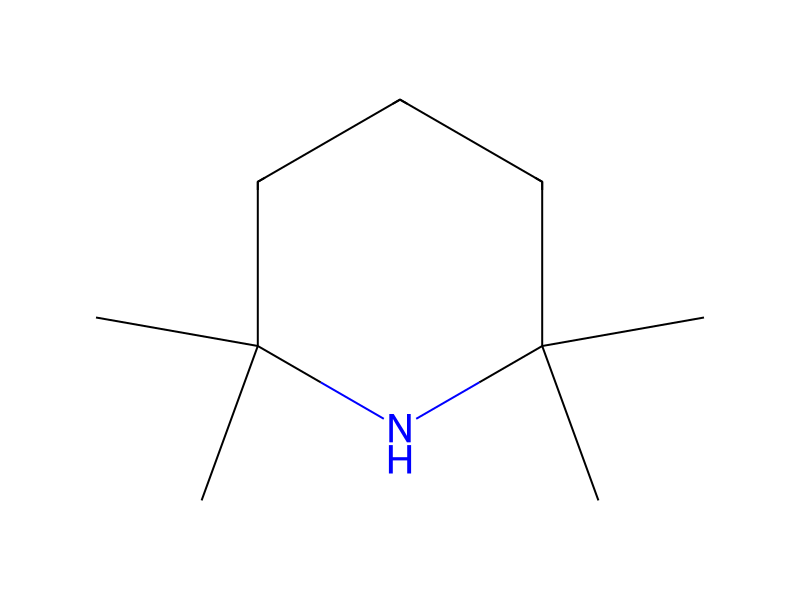
To a solution of n-butyl lithium (1.6M in hexanes; 29 mL, 47 mmol) in tetrahydrofuran (200 mL) at −30° C. was added 2,2,6,6-tetramethylpiperidine (8.6 mL, 50 mmol). This solution was allowed to warm to 0° C. over 20 minutes then cooled to −78° C. To this solution was added a solution of 2,6-dichloropyrazine (5 g, 34 mmol) in tetrahydrofuran (200 mL) dropwise via cannula. After 30 minutes, iodomethane (21 mL, 340 mmol.) was added. After 1 h, the reaction mixture was quenched with a mixture of EtOH (25 mL), THF (25 mL) and 1N aqueous HCl (5 mL). The reaction mixture was allowed to warm to room temperature then concentrated to a crude oil. The crude oil was partitioned between water (500 mL) and CH2Cl2 (500 mL). The organic layer was washed with brine (250 mL). The first aqueous layer was back-extracted with CH2Cl2 (500 mL). The combined organic layers were dried over sodium sulfate, filtered and concentrated. The crude residue was purified by silica gel chromatography (EtOAc/Hexanes gradient) to afford 3,5-dichloro-2-methylpyrazine as a yellow oil. LRMS (ESI) calculated for C5H4Cl2N2 [M+H]+, 163.0; found 163.1.