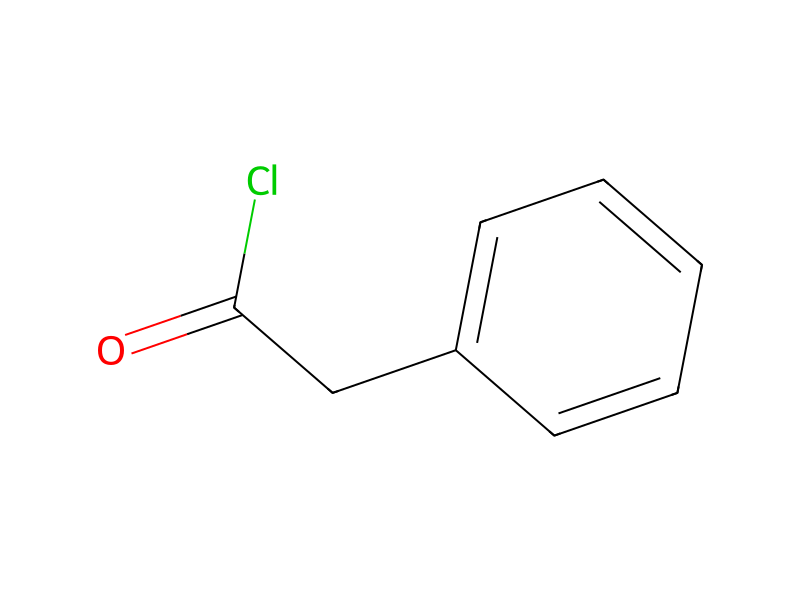
[C:1]1([CH2:7][C:8](Cl)=[O:9])[CH:6]=[CH:5][CH:4]=[CH:3][CH:2]=1.[Cl-].[Al+3].[Cl-].[Cl-].[C:15]1([CH2:21][CH2:22][C:23]([O:25][CH2:26][CH3:27])=[O:24])[CH:20]=[CH:19][CH:18]=[CH:17][CH:16]=1.C(=O)([O-])O.[Na+]>ClCCCl>[C:1]1([CH2:7][C:8]([C:18]2[CH:19]=[CH:20][C:15]([CH2:21][CH2:22][C:23]([O:25][CH2:26][CH3:27])=[O:24])=[CH:16][CH:17]=2)=[O:9])[CH:6]=[CH:5][CH:4]=[CH:3][CH:2]=1Phenylacetyl chloride (3.4 ml) is added to a solution of anhydrous aluminum chloride (4.27 g) in 1,2-dichloroethane (35 ml) under ice cooling, and then a solution of ethyl 3-phenylpropionate (5.1 g) in anhydrous 1,2-dichloroethane (5 ml) is added dropwise thereto. The mixture is stirred under ice cooling for 20 minutes and at room temperature overnight. The reaction mixture is added little by little to a saturated aqueous sodium hydrogencarbonate solution (150 ml) containing ice (100 g). The resulting precipitates are filtered out. Ether is added to the filtrate. The organic layer is washed with a saturated aqueous sodium hydrogencarbonate solution and saturated brine successively, dried over anhydrous magnesium sulfate and concentrated under reduced pressure. The resulting residue is purified by silica gel column chromatography to give ethyl 3-[4-(phenylacetyl)phenyl]propionate as crystals.