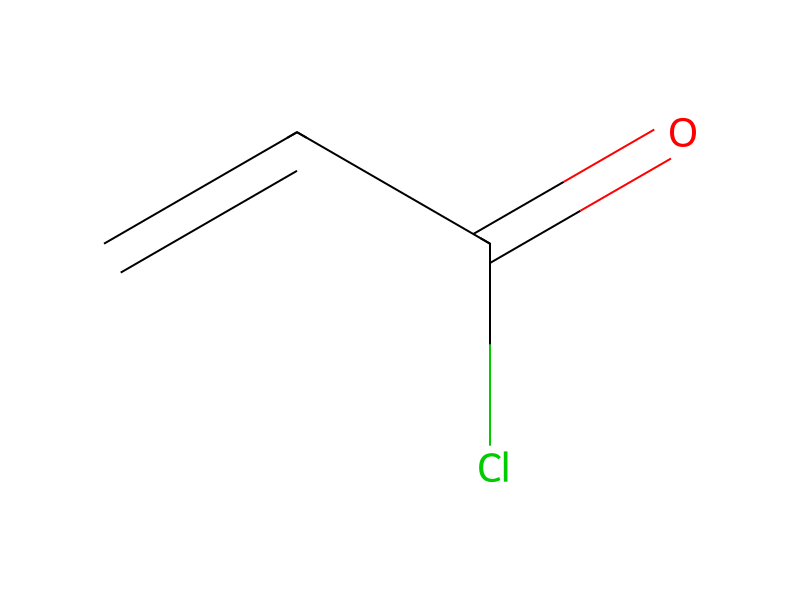
[C:1](Cl)(=[O:4])[CH:2]=[CH2:3].[OH:6][C:7]1[CH:19]=[CH:18][C:17]2[C:16]3[C:11](=[CH:12][C:13]([OH:20])=[CH:14][CH:15]=3)[CH:10]([CH3:21])[C:9]=2[CH:8]=1.C(N([CH2:27][CH3:28])CC)C.Cl.[OH-:30].[Na+].Cl[CH2:33]Cl>C(C1C(O)=C(C(C)(C)C)C=C(C)C=1)(C)(C)C.O>[C:33]([O:6][C:7]1[CH:19]=[CH:18][C:17]2[C:16]3[C:11](=[CH:12][C:13]([O:20][C:1](=[O:4])[CH:2]=[CH2:3])=[CH:14][CH:15]=3)[CH:10]([CH3:21])[C:9]=2[CH:8]=1)(=[O:30])[CH:27]=[CH2:28]Acryloyl chloride (55.4 g, 612.1 mmol) was added dropwise to a mixture of dichloromethane (500 mL), 2,7-dihydroxy-9-methylfluorene (T-11) (50.0 g, 235.6 mmol), triethylamine (61.7 g, 609.7 mmol) and 2,6-di-tert-butyl-p-cresol (52.0 mg, 0.24 mmol) in an ice bath under an atmosphere of nitrogen, and then the mixture was warmed slowly to room temperature. The stirring was continued at room temperature for 16 hours, and the reaction mixture was poured into water. The organic layer was wished with 1M-hydrochloric acid, aqueous 1M-sodium hydroxide solution and water. After the organic layer had been dried over anhydrous magnesium sulfate, the organic solvent was distilled off under reduced pressure. The residue was purified by silica gel chromatography (eluent: toluene), and then by recrystallization from a mixed solvent of dichloromethane and ethanol to give colorless crystals (34.2 g) of 2,7-bis(acryloyloxy)-9-methylfluorene (1-3-4).