HomeMCPWorkbenchSkills
HomeWorkbenchNotificationsMe
llms.txt · MCP GuidePrivacy Policy · Terms of Service · Supportv1.8.0
  1. Home
  2. /Reaction

Acetic Acid → 4-(2-(2-ethyl-1H-benzo[d]imidazol-1-yl)-9-methyl-8-((3-(tetrahydro-2H-pyran-4-yl)azetidin-1-yl)methyl)-9H-purin-6-yl)morpholine

HRID 1945889
Notes
Print preview

Reaction equation

HRID 1945889 reaction equation
[CH2:1]([C:3]1[N:7]([C:8]2[N:16]=[C:15]3[C:11]([N:12]=[C:13]([CH:18]=O)[N:14]3[CH3:17])=[C:10]([N:20]3[CH2:25][CH2:24][O:23][CH2:22][CH2:21]3)[N:9]=2)[C:6]2[CH:26]=[CH:27][CH:28]=[CH:29][C:5]=2[N:4]=1)[CH3:2].[O:30]1[CH2:35][CH2:34][CH:33]([CH:36]2[CH2:39][NH:38][CH2:37]2)[CH2:32][CH2:31]1.COC(OC)OC.C(O)(=O)C.C(O[BH-](OC(=O)C)OC(=O)C)(=O)C.[Na+]>ClCCCl>[CH2:1]([C:3]1[N:7]([C:8]2[N:16]=[C:15]3[C:11]([N:12]=[C:13]([CH2:18][N:38]4[CH2:39][CH:36]([CH:33]5[CH2:34][CH2:35][O:30][CH2:31][CH2:32]5)[CH2:37]4)[N:14]3[CH3:17])=[C:10]([N:20]3[CH2:25][CH2:24][O:23][CH2:22][CH2:21]3)[N:9]=2)[C:6]2[CH:26]=[CH:27][CH:28]=[CH:29][C:5]=2[N:4]=1)[CH3:2]
ParticipantsProcedureWorkupSources & evidenceReaction notes

Participants

7

Reactant 5

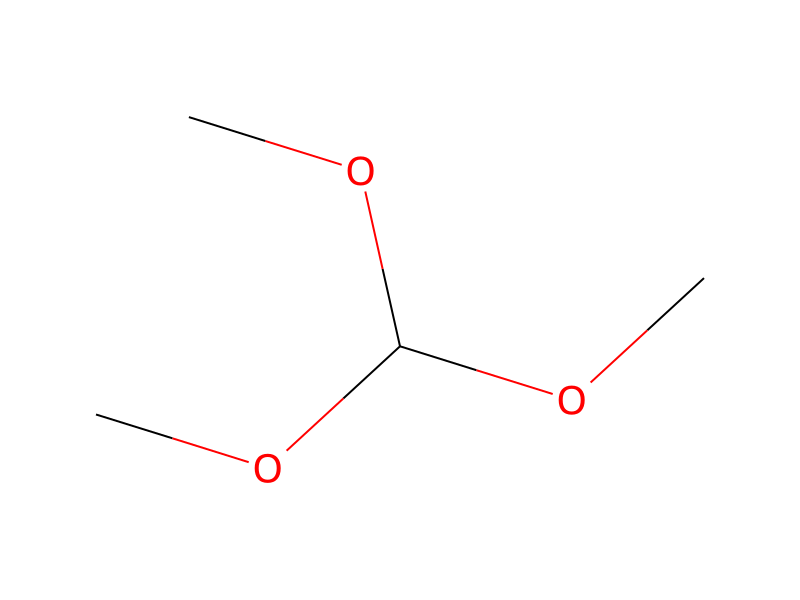
HCID 176Acetic AcidHCID 9005Trimethyl orthoformateHCID 5049666Sodium triacetoxyborohydrideHCID 177856443-(tetrahydro-2H-pyran-4-yl)azetidineHCID 596059872-(2-Ethylbenzoimidazol-1-yl)-9-methyl-6-morpholin-4-yl-9H-purine-8-carbaldehyde

Product 1

HCID 59606138
4-(2-(2-ethyl-1H-benzo[d]imidazol-1-yl)-9-methyl-8-((3-(tetrahydro-2H-pyran-4-yl)azetidin-1-yl)methyl)-9H-purin-6-yl)morpholine
Yield 56%

Reagents, catalysts & solvents 1

HCID 111,2-DichloroethaneSolvent

Procedure

A mixture of 2-(2-ethylbenzoimidazol-1-yl)-9-methyl-6-morpholin-4-yl-9H-purine-8-carbaldehyde (0.10 g, 0.26 mmol), 3-(tetrahydropyran-4-yl)azetidine (0.050 g, 0.28 mmol) in DCE (2 mL), trimethoxymethane (0.277 mL, 2.6 mmol) and acetic acid (0.015 mL, 0.26 mmol) was stirred for 2 h at room temperature. Sodium triacetoxyborohydride (0.090 g, 0.43 mmol) was added and the reaction mixture was stirred for 18 h at room temperature. The reaction mixture was partitioned between DCM and water, the organic phase was separated, washed with brine, dried over sodium sulphate and concentrated. The residue was purified by flash chromatography (Si—PPC, MeOH:EtOAc gradient 0:100 to 10:90) to give 325 as a yellow solid (0.072 g, 56%). LCMS (Method G): RT=6.14 min, [M+H]+ 517.2. 1H NMR (CDCl3, 400 MHz) δ 8.02-7.98 (m, 1 H); 7.78-7.73 (m, 1 H); 7.35-7.25 (m, 2 H); 4.40-4.32 (m, 4 H); 3.98 (dd, J=11.7, 4.3 Hz, 2 H); 3.89-3.86 (m, 9 H); 3.42-3.30 (m, 5 H); 1.67-1.64 (m, 4 H); 1.55 (d, J=11.7 Hz, 2 H); 1.48-1.39 (t, J=7.5 Hz, 3 H); 1.29-1.16 (m, 3 H)


Workup

  1. stirringthe reaction mixture was stirred for 18 h at room temperature
  2. customThe reaction mixture was partitioned between DCM and water
  3. customthe organic phase was separated
  4. washwashed with brine
  5. dry with materialdried over sodium sulphate
  6. concentrationconcentrated
  7. customThe residue was purified by flash chromatography (Si—PPC, MeOH:EtOAc gradient 0:100 to 10:90)

Sources & evidence

ORD record
ord-694187c0d4af4a8a805f9176a679cb48
Source dataset
uspto-grants-2013_03
DOI
10.6084/m9.figshare.5104873.v1
Patent number
US08394796B2

Reaction notes

Loading…

On this pageParticipantsProcedureWorkupSources & evidenceReaction notes