Reaction equation

C(OC(NCCC(O)=O)=O)(C)(C)C.[B-](F)(F)(F)F.CCO[C:22]([C:24]([C:34]#[N:35])=NOC(N(C)C)=[N+](C)C)=[O:23].[CH3:36][C:37]1[CH:46]=[C:45]([NH2:47])[C:44]2[C:39](=[CH:40][CH:41]=[C:42]([NH2:48])[CH:43]=2)[N:38]=1.C(N1CCOCC1)C>CN(C=O)C>[NH2:35][CH2:34][CH2:24][C:22]([NH:48][C:42]1[CH:43]=[C:44]2[C:39](=[CH:40][CH:41]=1)[N:38]=[C:37]([CH3:36])[CH:46]=[C:45]2[NH2:47])=[O:23]Participants
Reactant 4


Product 1

Reagents, catalysts & solvents 1

Procedure
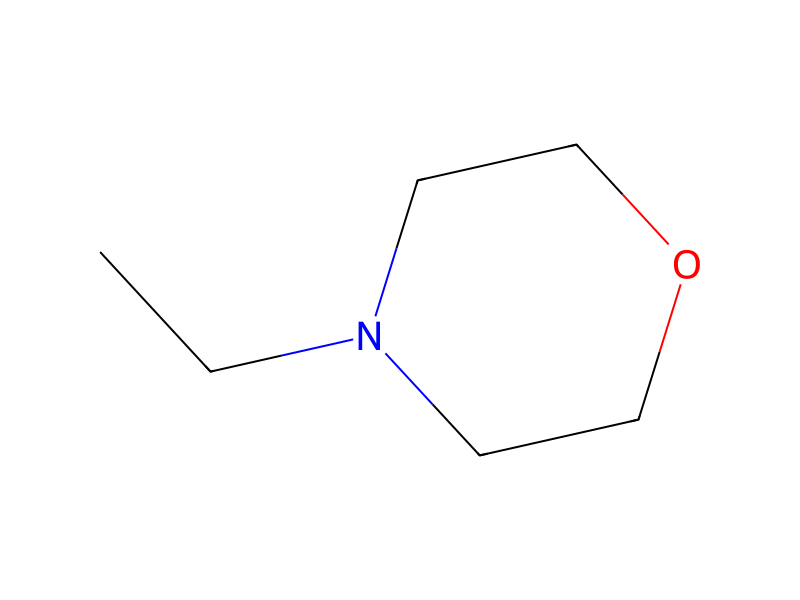
To a solution of 2.18 g (11.55 mmol) of 3-tert-Butoxycarbonylamino-propionic acid in 20 ml of DMF were added 3.78 g (11.55 mmol) TOTU. After 15 min at room temperature 2.0 g (11.55 mmol) of 2-methyl-quinoline-4,6-diamine and 2.66 g (23 mmol) of N-ethylmorpholine were added. After 24 h stirring at room temperature the solution was evaporated and the residue was treated with a saturated aqueous solution of NaHCO3. The aqueous solution was extracted with ethyl acetate. The separated organic layer was dried (Na2SO4) and evaporated. The residue was treated with 20 ml 90% trifluoroacetic acid for 2 h. After evaporation the residue was dissolve in water and extracted with ethyl acetate. The aqueous layer was lyophilized to yield 5.15 g (76%) of the title compound. MS 245.1 (M+1)+.
Workup
- customwas evaporated
- additionthe residue was treated with a saturated aqueous solution of NaHCO3
- extractionThe aqueous solution was extracted with ethyl acetate
- dry with materialThe separated organic layer was dried (Na2SO4)
- customevaporated
- additionThe residue was treated with 20 ml 90% trifluoroacetic acid for 2 h
- customAfter evaporation the residue
- dissolutionwas dissolve in water
- extractionextracted with ethyl acetate
Sources & evidence
- ORD record
- ord-99c24b8d550d47829af6789f822fc3fc
- Source dataset
- uspto-grants-2010_06
- Patent number
- US07745443B2
Linked notes
Loading…