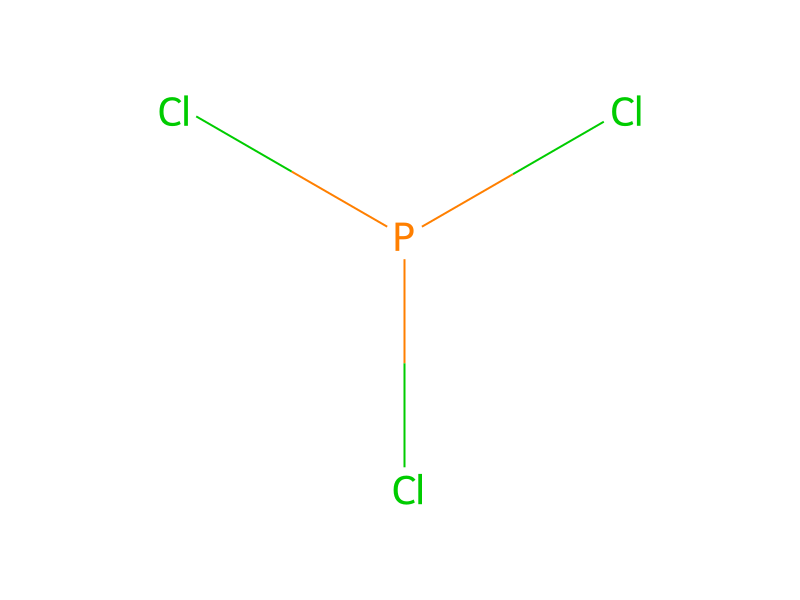
[OH:1][C:2]1[C:11]([C:12]([OH:14])=O)=[CH:10][C:9]2[C:4](=[CH:5][CH:6]=[C:7]([C:15]([OH:17])=O)[CH:8]=2)[CH:3]=1.[NH2:18][C:19]1[CH:24]=[CH:23][CH:22]=[CH:21][CH:20]=1.P(Cl)(Cl)Cl.C(=O)([O-])[O-].[Na+].[Na+]>C1(C)C(C)=CC=CC=1.O>[OH:1][C:2]1[C:11]([C:12]([NH:18][C:19]2[CH:24]=[CH:23][CH:22]=[CH:21][CH:20]=2)=[O:14])=[CH:10][C:9]2[C:4](=[CH:5][CH:6]=[C:7]([C:15]([NH:18][C:19]3[CH:24]=[CH:23][CH:22]=[CH:21][CH:20]=3)=[O:17])[CH:8]=2)[CH:3]=12-Hydroxy-3,6-dihydroxycarbonylnaphthalene (4.64 g) and aniline (4.10 g) were dispersed in xylene (92.8 g), followed by heating to 90° C. Phosphorous trichloride (2.4 g) was added dropwise at 90° to 100° C., and then the mixture was reacted at 140° C. for 3 hours. After the completion of the reaction, water (92.8 g) was added and the reaction solution was neutralized with sodium carbonate at 90° C. The solution was filtered at room temperature and washed in turn with xylene (46.4 g) and water (46.4 g). The resultant crystal was subjected to reflux washing using acetone (80 g) and then filtered. This operation was repeated three times, followed by drying to obtain 3.5 g of 2-hydroxy-3,6-diphenylaminocarbonylnaphthalene as a white powdered crystal (melting point: 314°-317° C.).
Loading…