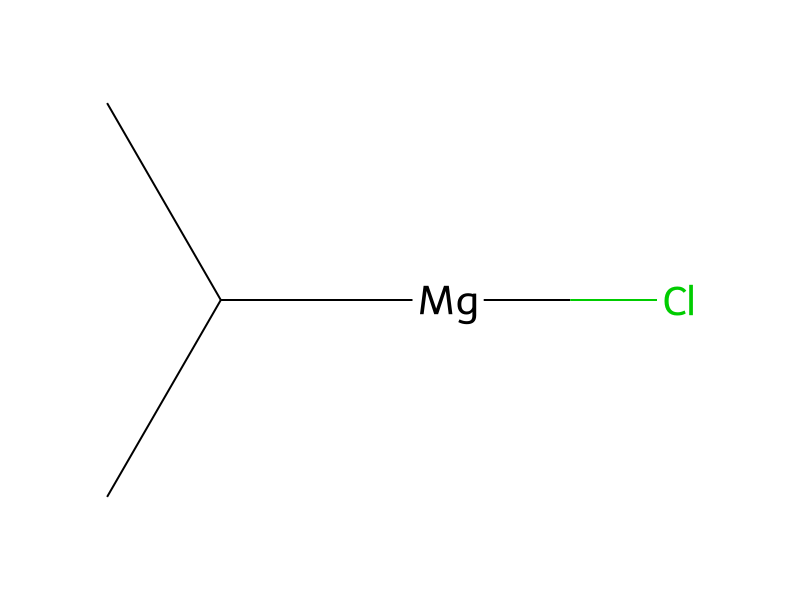
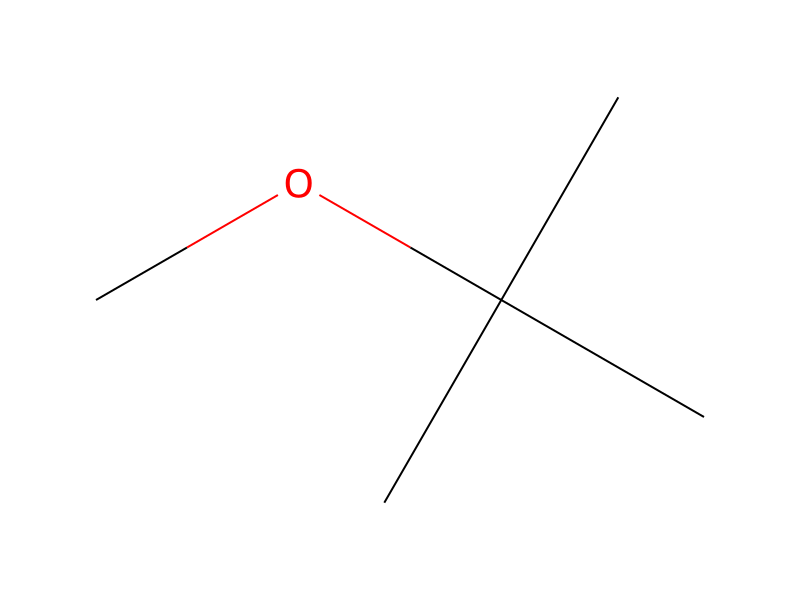
[Br:1][C:2]1[CH:7]=[CH:6][CH:5]=[CH:4][C:3]=1I.C([Mg]Cl)(C)C.[CH3:14][C:15]1[CH:16]=[C:17]([P:22]([C:24]2[CH:29]=[C:28]([CH3:30])[CH:27]=[C:26]([CH3:31])[CH:25]=2)Cl)[CH:18]=[C:19]([CH3:21])[CH:20]=1>C1COCC1.CC(OC)(C)C>[Br:1][C:2]1[CH:7]=[CH:6][CH:5]=[CH:4][C:3]=1[P:22]([C:24]1[CH:25]=[C:26]([CH3:31])[CH:27]=[C:28]([CH3:30])[CH:29]=1)[C:17]1[CH:16]=[C:15]([CH3:14])[CH:20]=[C:19]([CH3:21])[CH:18]=1To a solution of 9.67 g (34.2 mmol) of 1-bromo-2-iodobenzene in 30 ml of THF are added dropwise, at −78° C., 17.6 ml (37.6 mmol) of an isopropylmagnesium chloride solution (2 molar in THF). The mixture is stirred at a temperature between −30° C. and −40° C. for a further 1 hour, then cooled again to −78° C., and a suspension of 10.4 g (37.6 mmol) of bis(3,5-dimethylphenyl)chlorophosphine in 10 ml of THF and 10 ml of TBME are added. The cooling is removed and the reaction mixture is stirred at room temperature overnight. The resulting solution is admixed with 50 ml of water and extracted with water/TBME. The organic phases are collected and dried over sodium sulphate, and the solvent is distilled off under reduced pressure on a rotary evaporator. The solid white crude product is purified by chromatography (silica gel 60; eluent=methylene chloride). The desired product is obtained as a white solid in a yield of 56%.