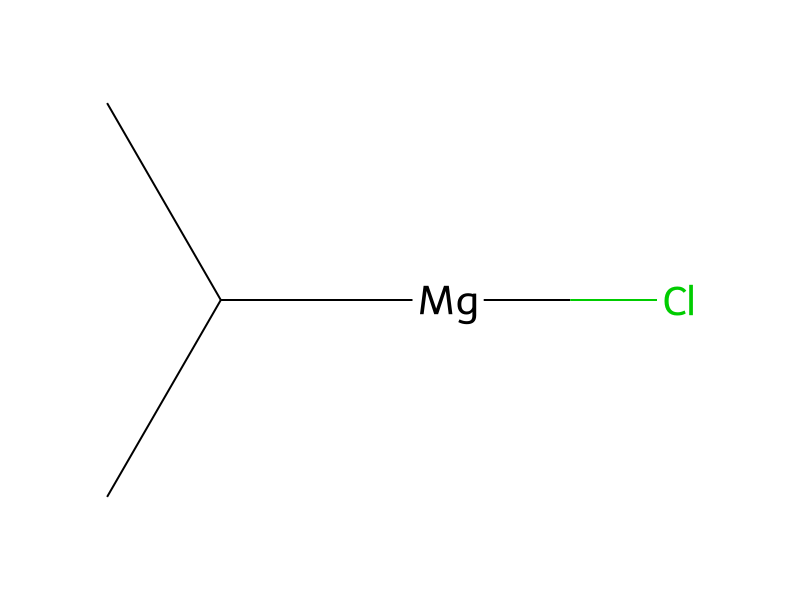
To a solution of sesamol (7.32 g, 53.1 mmol) in anhydrous tetrahydrofuran (150 mL) were added a solution of isopropylmagnesium chloride (2.0 M in tetrahydrofuran, 30.1 mL, 60.2 mmol) at 0° C. under nitrogen. The reaction mixture was stirred at 0° C. for 30 min, followed by the addition of 7-bromo isatin (8.0 g, 35.4 mmol). The suspended mixture was stirred at ambient temperature for 16 h. The reaction mixture was diluted with a saturated aqueous solution of ammonium chloride (300 mL) and ethyl acetate (250 mL), and the phases were separated. The aqueous phase was extracted with ethyl acetate (200 mL), and the combined organic solution was washed with brine (100 mL), dried over anhydrous sodium sulfate, filtered and concentrated in vacuo. The crude solid was triturated with diethyl ether, filtered and dried under the reduced pressure to afford 7-bromo-3-hydroxy-3-(6-hydroxy-1,3-benzodioxol-5-yl)-1,3-dihydro-2H-indol-2-one (9.8 g, 77%) as a light yellow solid: 1H NMR (300 MHz, DMSO-d6) δ10.64 (s, 1H), 9.18 (s, 1H), 7.33 (dd, J=7.8, 1.4 Hz, 1H), 7.21 (s, 1H), 6.84-6.75 (m, 2H), 6.54 (s, 1H), 6.21 (s, 1H), 5.92 (dd, J=6.1, 0.8 Hz, 2H); MS (ES+) m/z 363.8 (M+1), 365.8 (M+1).