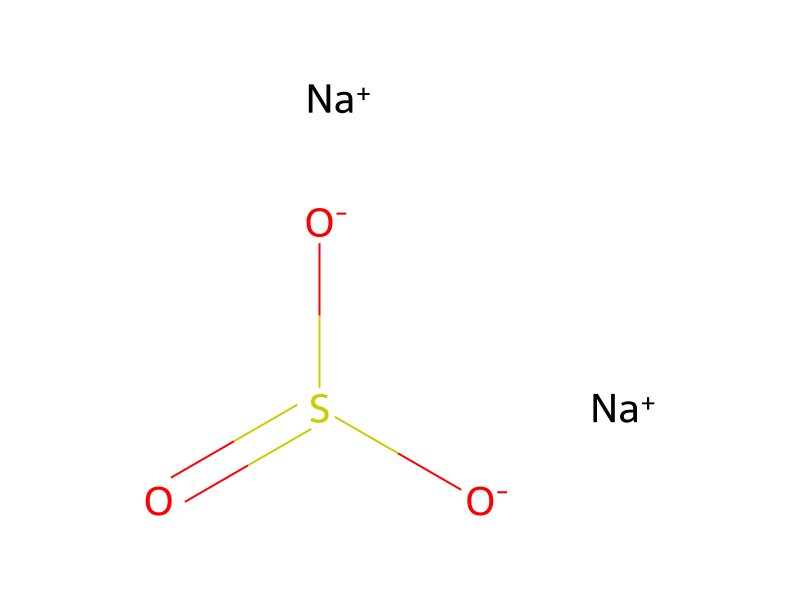
[CH3:1][CH:2]([CH2:4][CH2:5][CH2:6][CH:7]([CH2:9][CH2:10][CH2:11][CH:12]([CH2:14][CH2:15][CH2:16][C:17]([OH:21])([CH:19]=[CH2:20])[CH3:18])[CH3:13])[CH3:8])[CH3:3].C([O:26]O)(C)(C)C.S([O-])([O-])=O.[Na+].[Na+].[OH-].[Na+]>[O-2].[O-2].[O-2].[O-2].[O-2].[V+5].[V+5]>[O:26]1[CH:19]([C:17]([CH3:18])([OH:21])[CH2:16][CH2:15][CH2:14][CH:12]([CH3:13])[CH2:11][CH2:10][CH2:9][CH:7]([CH3:8])[CH2:6][CH2:5][CH2:4][CH:2]([CH3:1])[CH3:3])[CH2:20]1A three-necked flask of 2-liter capacity, fitted with a stirrer, reflux-condenser and thermometer, was charged with 463.6 g (1.57 moles) of isophytol, 221.8 g (1.72 moles) of a 70% (by weight) aqueous solution of t-butyl hydroperoxide and 710 mg of vanadium pentoxide and the reaction was conducted at 90° C. for 6 hours. Then, 350.4 g of a 14% (by weight) aqueous solution of sodium sulfite was added and the mixture was stirred at room temperature for 30 minutes. The reaction mixture was transferred to a separatory funnel. The upper layer was mixed with the same volume of 1N aqueous sodium hydroxide solution and stirred at room temperature and, then, extracted with n-hexane. The extract was washed with the same volume of water 3 times and the n-hexane was distilled off to give 467.0 g of 1,2-epoxy-3,7,11,15-tetramethylhexadecan-3-ol. Yield 96%.