HomeMCPWorkbenchSkills
HomeWorkbenchNotificationsMe
llms.txt · MCP GuidePrivacy Policy · Terms of Service · Supportv1.8.3
  1. Home
  2. /Reaction

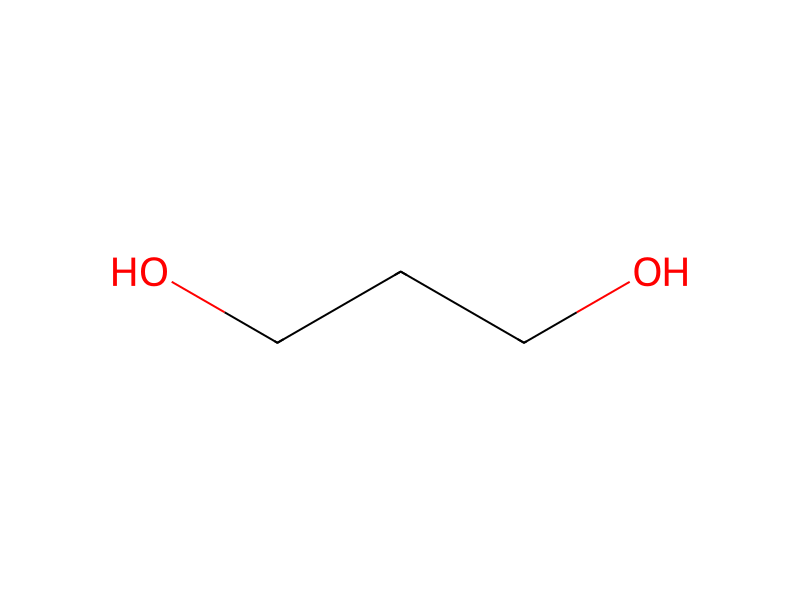
1,3-Propanediol → 3-[3-(2-Methoxyphenylsulfonyloxy)-5-methylphenoxy]propanol

HRID 1977931
Print

Reaction equation

HRID 1977931 reaction equation
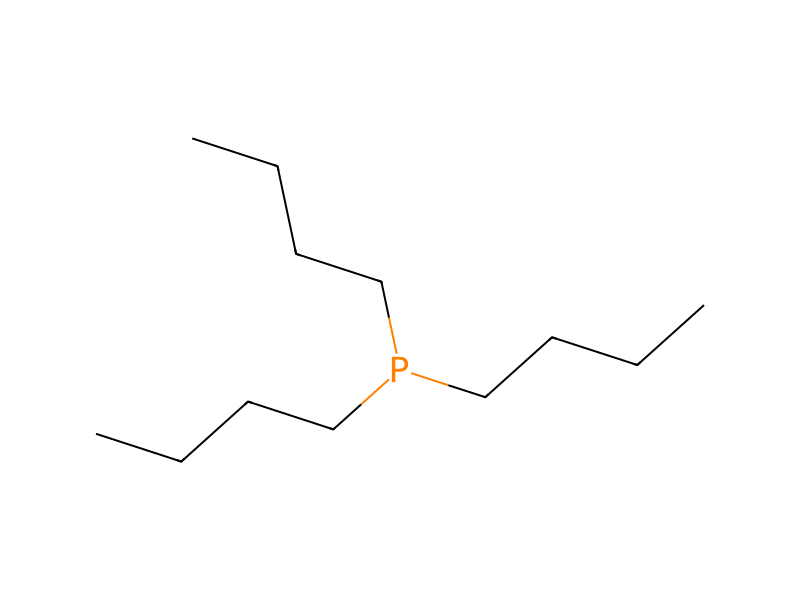
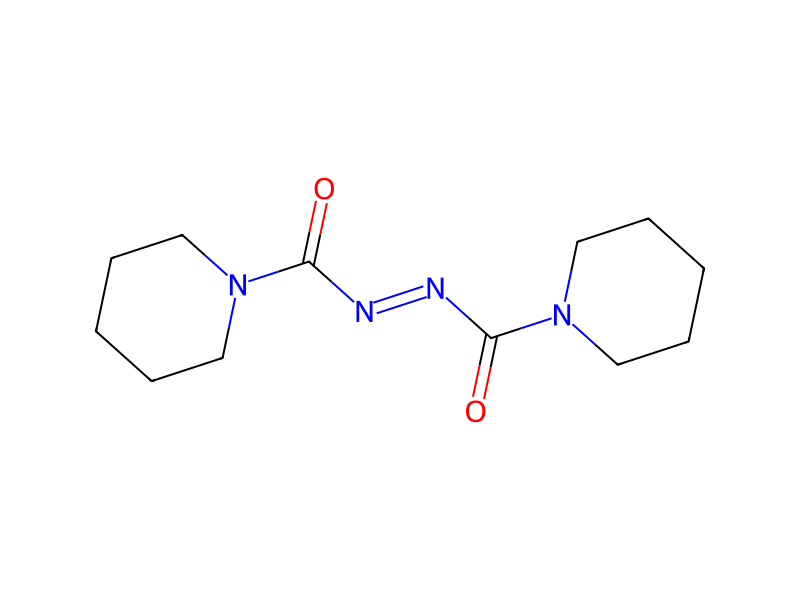
C(P(CCCC)CCCC)CCC.[CH3:14][O:15][C:16]1[CH:21]=[CH:20][CH:19]=[CH:18][C:17]=1[S:22]([O:25][C:26]1[CH:27]=[C:28]([OH:33])[CH:29]=[C:30]([CH3:32])[CH:31]=1)(=[O:24])=[O:23].[CH2:34](O)[CH2:35][CH2:36][OH:37].N(C(N1CCCCC1)=O)=NC(N1CCCCC1)=O>O1CCCC1.C(OCC)C.ClCCl>[CH3:14][O:15][C:16]1[CH:21]=[CH:20][CH:19]=[CH:18][C:17]=1[S:22]([O:25][C:26]1[CH:27]=[C:28]([CH:29]=[C:30]([CH3:32])[CH:31]=1)[O:33][CH2:34][CH2:35][CH2:36][OH:37])(=[O:23])=[O:24]
ParticipantsConditionsProcedureWorkupSources & evidenceReaction notes

Participants

8

Reactant 4

HCID 104421,3-PropanediolHCID 13831Tributylphosphine3×HCID 730421,1'-(Azodicarbonyl)dipiperidine2×HCID 227224733-(2-Methoxyphenylsulfonyloxy)-5-methylphenol

Product 1

HCID 227224653-[3-(2-Methoxyphenylsulfonyloxy)-5-methylphenoxy]propanolYield 64%

Reagents, catalysts & solvents

3
HCID 3283Diethyl EtherSolventHCID 6344DichloromethaneSolventHCID 8028TetrahydrofuranSolvent

Conditions

Temperature
0 °C

Procedure

Tri-n-butylphosphine (8.4 mL, 34 mmol) was added dropwise over 5 min to 3-(2-methoxyphenylsulfonyloxy)-5-methylphenol (4.97 g, 16.9 mmol, prepared in the preceding step), 1,3-propanediol (12 mL, 170 mmol) and 1,1′-(azodicarbonyl)dipiperidine (8.54 g, 33.8 mmol) in anhydrous tetrahydrofuran (75 mL) at 0° C. under a nitrogen atmosphere. Dichloromethane (75 mL) was added mid-way through the tri-n-butylphosphine addition to aid stirring. The slurry was stirred at ambient temperature for 1 h, then the mixture was cooled to 0° C. and additional 1,1′-(azodicarbonyl)dipiperidine (4.27 g, 16.9 mmol) and tri-n-butylphosphine (4.2 mL, 16.9 mmol) were added. The reaction was stirred overnight at ambient temperature. Diethyl ether (200 mL) was added and the mixture was filtered. The filtrate was concentrated in vacuo, and the residue was purified by flash column chromatography (25% ethyl acetate in hexane to 60% ethyl acetate in hexane, then 2% acetone in dichloromethane to 7% acetone in dichloromethane in two separate chromatographic separations) to give the title compound (3.79 g, 64%) as a gold oil. 1H-NMR (300 MHz, CDCl3) δ7.82 (dd, 1H, J=7.9, 1.7 Hz), 7.61 (ddd, 1H, J=8.4, 7.5, 1.8 Hz), 7.08 (d, 1H, J=8.4 Hz), 7.01 (ddd, 1H, J=7.9, 7.5, 1 Hz), 6.58 (br s, 1H), 6,51 (br s, 1H), 6.46 (t, 1H, J=2.1 Hz), 4.02 (s, 3H), 4.00 (t, 2H, J=6.0 Hz), 3.81 (dt, 2H, J=5.7, 5.3 Hz), 2.24 (s, 3H), 1.98 (pentet, 2H, J=6.0 Hz), 1.72 (t, 1H, J=5.0 Hz). Mass spectrum (MALDI-TOF, (α-cyano-4-hydroxycinnamic acid matrix) calcd. for C17H20O6S: 375.1 (M+Na). Found: 375.1.

Workup

  1. stirringThe slurry was stirred at ambient temperature for 1 h
  2. stirringThe reaction was stirred overnight at ambient temperature
  3. filtrationthe mixture was filtered
  4. concentrationThe filtrate was concentrated in vacuo
  5. customthe residue was purified by flash column chromatography (25% ethyl acetate in hexane to 60% ethyl acetate in hexane
  6. custom2% acetone in dichloromethane to 7% acetone in dichloromethane in two separate chromatographic separations)

Sources & evidence

ORD record
ord-12942b9acc524ef68275b0d5c84f36eb
Source dataset
uspto-grants-2001_05
DOI
10.6084/m9.figshare.5104873.v1
Patent number
US06235778B1

Reaction notes

On this pageParticipantsConditionsProcedureWorkupSources & evidenceReaction notes