HomeMCPWorkbenchSkills
HomeWorkbenchNotificationsMe
llms.txt · MCP GuidePrivacy Policy · Terms of Service · Supportv1.8.0
  1. Home
  2. /Reaction

Pyridine → 2,3-Dihydroxypropyl-4-hexadecylaminobenzamide

HRID 1980177
Notes
Print preview

Reaction equation

HRID 1980177 reaction equation
Cl.[CH2:2]([NH:18][C:19]1[CH:27]=[CH:26][C:22]([C:23]([OH:25])=O)=[CH:21][CH:20]=1)[CH2:3][CH2:4][CH2:5][CH2:6][CH2:7][CH2:8][CH2:9][CH2:10][CH2:11][CH2:12][CH2:13][CH2:14][CH2:15][CH2:16][CH3:17].C(Cl)Cl.S(Cl)(Cl)=O.N[CH2:36][CH:37]([OH:40])[CH2:38][OH:39].[N:41]1C=CC=CC=1>CN(C)C1C=CN=CC=1.C(COC)OC>[OH:40][CH:37]([CH2:38][OH:39])[CH2:36][C:21]1[CH:20]=[C:19]([NH:18][CH2:2][CH2:3][CH2:4][CH2:5][CH2:6][CH2:7][CH2:8][CH2:9][CH2:10][CH2:11][CH2:12][CH2:13][CH2:14][CH2:15][CH2:16][CH3:17])[CH:27]=[CH:26][C:22]=1[C:23]([NH2:41])=[O:25]
ParticipantsProcedureWorkupSources & evidenceReaction notes

Participants

8

Reactant 5

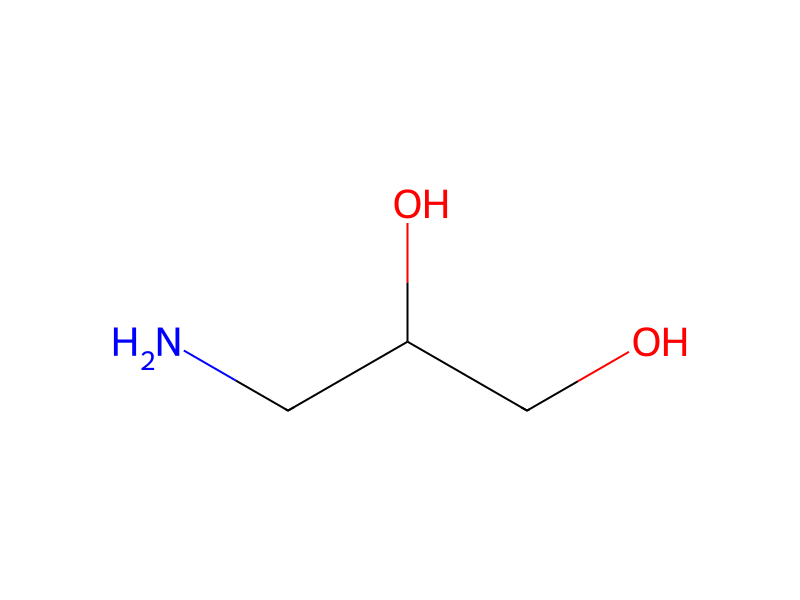
HCID 1049PyridineHCID 6344DichloromethaneHCID 24386Thionyl ChlorideHCID 735613-Amino-1,2-propanediolHCID 70506019HCID 70506019, compound

Product 1

HCID 204373882,3-Dihydroxypropyl-4-hexadecylaminobenzamide

Reagents, catalysts & solvents 2

HCID 142844-(Dimethylamino)pyridineCatalystHCID 80711,2-DimethoxyethaneSolvent

Procedure

A slurry of 8.0 g. of 4-(hexadecylamino)benzoic acid hydrochloride in 175 ml. of CH2Cl2 and 50 ml. of glyme containing 10 ml. of thionyl chloride was heated at reflux for 2 hours. The clear solution was concentrated in vacuo giving 9.5 g. of an amber oil. This oil was diluted with 50 ml. of pyridine containing 0.1 g. of 4-dimethylaminopyridine and 9.1 g. of 3-amino-1,2-propandiol. The reaction was stirred for two days at room temperature. The solution was partitioned between ether and water. The water phase was extracted twice more with 100 ml. of chloroform and ether. The combined organic layer was extracted with water, dried over MgSO4 and evaporated to a tacky solid. The solid was recrystallized from acetone-water and a second time from benzene. A small sample was recrystallized from acetonitrile, m.p. 121°-122° C.

Workup

  1. temperatureat reflux for 2 hours
  2. concentrationThe clear solution was concentrated in vacuo
  3. customgiving 9.5 g
  4. additionThis oil was diluted with 50 ml
  5. customThe solution was partitioned between ether and water
  6. extractionThe water phase was extracted twice more with 100 ml
  7. extractionThe combined organic layer was extracted with water
  8. dry with materialdried over MgSO4
  9. customevaporated to a tacky solid
  10. customThe solid was recrystallized from acetone-water
  11. customA small sample was recrystallized from acetonitrile, m.p. 121°-122° C.

Sources & evidence

ORD record
ord-40d62e4799da405c9e1068e872f41052
Source dataset
uspto-grants-1984_11
DOI
10.6084/m9.figshare.5104873.v1
Patent number
US04485105

Reaction notes

Loading…

On this pageParticipantsProcedureWorkupSources & evidenceReaction notes