HomeMCPWorkbenchSkills
HomeWorkbenchNotificationsMe
llms.txt · MCP GuidePrivacy Policy · Terms of Service · Supportv1.8.3
  1. Home
  2. /Reaction

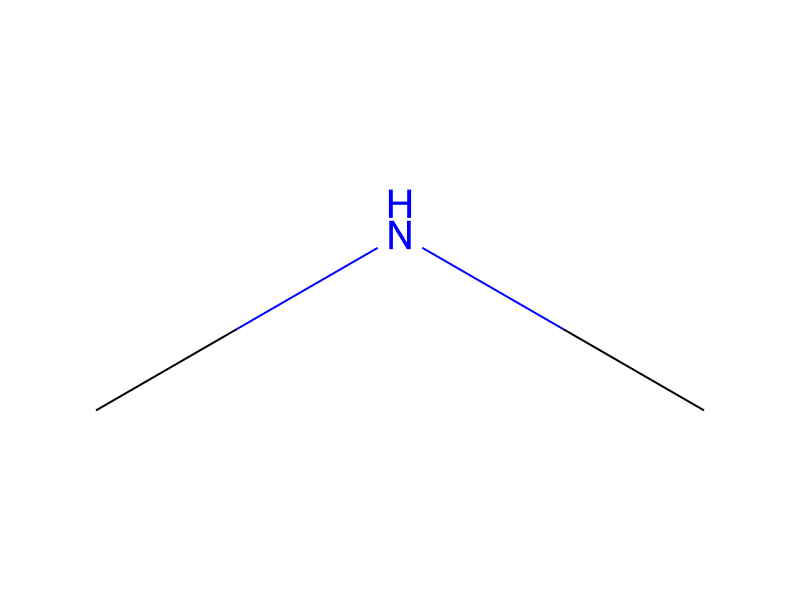
Dimethylamine → 1-benzyl-7-(3,4-dihydro-1H-isoquinolin-2-yl)-2-methyl-1H-pyrrolo[3,2-c]pyridin-3-carbonitrile hydrochloride

HRID 1982903
Print

Reaction equation

HRID 1982903 reaction equation
[CH3:1][NH:2]C.C=O.[ClH:6].[CH2:7]([N:14]1[C:22]2[C:21]([N:23]3[CH2:32][CH2:31][C:30]4[C:25](=[CH:26][CH:27]=[CH:28][CH:29]=4)[CH2:24]3)=[CH:20][N:19]=[CH:18][C:17]=2[CH:16]=[C:15]1[CH3:33])[C:8]1[CH:13]=[CH:12][CH:11]=[CH:10][CH:9]=1.IC.[C-]#N.[Na+]>C(O)C.CN(C)C=O.O.C(O)(=O)C>[ClH:6].[ClH:6].[CH2:7]([N:14]1[C:22]2[C:21]([N:23]3[CH2:32][CH2:31][C:30]4[C:25](=[CH:26][CH:27]=[CH:28][CH:29]=4)[CH2:24]3)=[CH:20][N:19]=[CH:18][C:17]=2[C:16]([C:1]#[N:2])=[C:15]1[CH3:33])[C:8]1[CH:9]=[CH:10][CH:11]=[CH:12][CH:13]=1

ParticipantsProcedureWorkupSources & evidenceReaction notes

Participants

11

Reactant 5

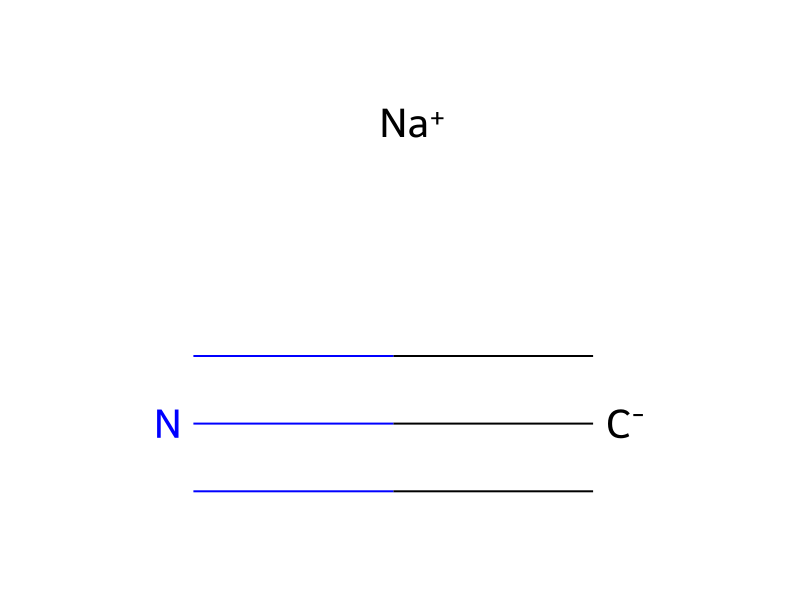
HCID 674DimethylamineHCID 712FormaldehydeHCID 6328Methyl iodideHCID 8929Sodium CyanideHCID 116396852-(1-benzyl-2-methyl-1H-pyrrolo[3,2-c]pyridin-7-yl)-1,2,3,4-tetrahydroisoquinoline hydrochloride

Product 2

HCID 313Hydrochloric Acid
HCID 11611371
1-benzyl-7-(3,4-dihydro-1H-isoquinolin-2-yl)-2-methyl-1H-pyrrolo[3,2-c]pyridin-3-carbonitrile hydrochloride
Yield 34%

Reagents, catalysts & solvents 4

HCID 176Acetic AcidSolventHCID 702EthanolSolvent2×HCID 962WaterSolventHCID 6228DimethylformamideSolvent

Procedure

Dimethylamine (1.05 ml, 2.1 mmol), acetic acid (0.81 ml), and formaldehyde (0.042 ml) were added to a solution of 2-(1-benzyl-2-methyl-1H-pyrrolo[3,2-c]pyridin-7-yl)-1,2,3,4-tetrahydroisoquinoline hydrochloride (600 mg, 1.71 mmol) prepared in Example 44 in ethanol (5 ml). The resulting mixture was refluxed under stirring overnight and concentrated under reduced pressure. The resulting residue was purified with silica gel column chromatography. The resulting compound (300 mg, 0.73 mmol) was dissolved in ethanol (2 ml). Iodomethane (0.091 ml, 0.46 mmol) was added to the solution, which was stirred overnight at room temperature. The resulting white product (100 mg, 0.18 mmol) was dissolved in N,N-dimethylformamide (3 ml). Sodium cyanide (34 mg, 0.72 mmol) was added to the solution, which was then stirred for 5 hours at 100° C. Water was added to the reaction mixture, which was then extracted with ethyl acetate. The separated organic layer was dried on anhydrous magnesium sulfate and concentrated under reduced pressure. The resulting residue was purified with silica gel column chromatography, dissolved in ether, and then saturated with hydrochloric acid gas to give the titled compound as a white solid (25 mg, 34.0%).

Workup

  1. temperatureThe resulting mixture was refluxed
  2. concentrationconcentrated under reduced pressure
  3. customThe resulting residue was purified with silica gel column chromatography
  4. stirringwas stirred overnight at room temperature
  5. stirringwas then stirred for 5 hours at 100° C
  6. extractionwas then extracted with ethyl acetate
  7. dry with materialThe separated organic layer was dried on anhydrous magnesium sulfate
  8. concentrationconcentrated under reduced pressure
  9. customThe resulting residue was purified with silica gel column chromatography
  10. dissolutiondissolved in ether

Sources & evidence

ORD record
ord-5fe33843e1a14219ac4cd97cae685ee3
Source dataset
uspto-grants-2009_06
DOI
10.6084/m9.figshare.5104873.v1
Patent number
US07541366B2

Reaction notes

On this pageParticipantsProcedureWorkupSources & evidenceReaction notes