HomeMCPWorkbenchSkills
HomeWorkbenchNotificationsMe
llms.txt · MCP GuidePrivacy Policy · Terms of Service · Supportv1.8.3
  1. Home
  2. /Reaction

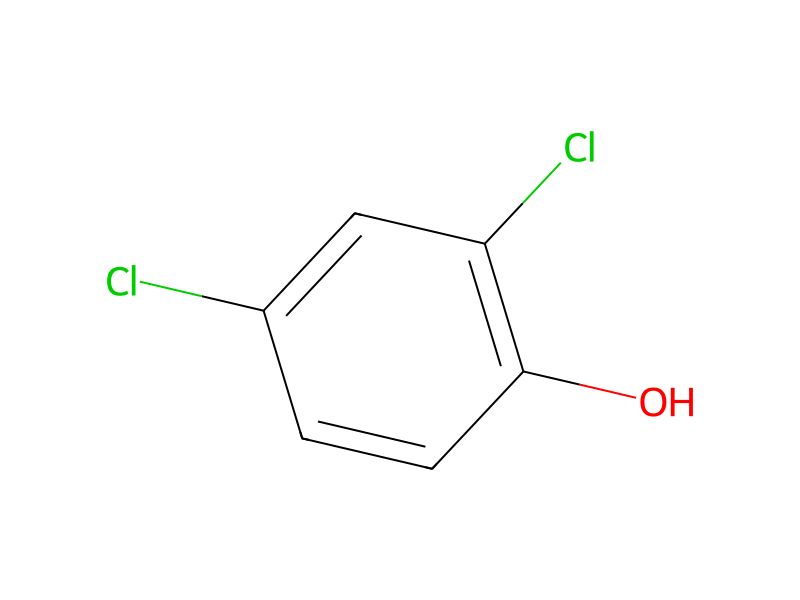
2,4-Dichlorophenol → Dichlorprop

HRID 1985408
Print

Reaction equation

HRID 1985408 reaction equation
[Cl:1][C:2]1[CH:7]=[C:6]([Cl:8])[CH:5]=[CH:4][C:3]=1[OH:9].[H-].[Na+].Br[CH:13]([CH3:19])[C:14]([O:16]CC)=[O:15].[Cl-].[NH4+]>CN(C)C=O>[Cl:1][C:2]1[CH:7]=[C:6]([Cl:8])[CH:5]=[CH:4][C:3]=1[O:9][CH:13]([CH3:19])[C:14]([OH:16])=[O:15]
ParticipantsProcedureWorkupSources & evidenceReaction notes

Participants

6

Reactant 4

HCID 84492,4-DichlorophenolHCID 24758Sodium hydrideHCID 25517Ammonium ChlorideHCID 79040Ethyl 2-bromopropionate

Product 1

HCID 8427Dichlorprop

Reagents, catalysts & solvents 1

HCID 6228DimethylformamideSolvent

Procedure

1 g of 2,4-Dichlorophenol was dissolved in 15 ml of N,N-dimethylformamide, and 0.27 g of 60% sodium hydride was added thereto under ice-cooling, and the mixture was stirred at room temperature for 30 minutes. 1.1 ml of Ethyl α-bromopropionate was added to the mixture, and stirring was continued at room temperature for another 1 hour. To the reaction solution was added aqueous ammonium chloride, and the mixture was extracted with ethyl acetate. The organic layer was washed with brine, dried over anhydrous magnesium sulfate, and then the solvent was evaporated. The residue was subjected to silica gel column chromatography, and the fraction eluted with 50:1 n-hexane:ethyl acetate was evaporated and the residue was dissolved in ethanol. To this solution was added 6.5 ml of 5N sodium hydroxide. It was then refluxed for 1 hour. The reaction solution was cooled, and water was added thereto. Then, the mixture was acidified with dilute hydrochloric acid, and extracted with ethyl acetate. The organic layer was washed with brine, dried over anhydrous magnesium sulfate, and the solvent was evaporated, to give 1.5 g of the title compound.

Workup

  1. temperatureunder ice-cooling
  2. stirringstirring
  3. waitwas continued at room temperature for another 1 hour
  4. extractionthe mixture was extracted with ethyl acetate
  5. washThe organic layer was washed with brine
  6. dry with materialdried over anhydrous magnesium sulfate
  7. customthe solvent was evaporated
  8. washthe fraction eluted with 50:1 n-hexane
  9. customethyl acetate was evaporated
  10. dissolutionthe residue was dissolved in ethanol
  11. additionTo this solution was added 6.5 ml of 5N sodium hydroxide
  12. temperatureIt was then refluxed for 1 hour
  13. temperatureThe reaction solution was cooled
  14. additionwater was added
  15. extractionextracted with ethyl acetate
  16. washThe organic layer was washed with brine
  17. dry with materialdried over anhydrous magnesium sulfate
  18. customthe solvent was evaporated

Sources & evidence

ORD record
ord-4d7d53801fc24f3f924839dba957e714
Source dataset
uspto-grants-2009_06
DOI
10.6084/m9.figshare.5104873.v1
Patent number
US07544835B2

Reaction notes

On this pageParticipantsProcedureWorkupSources & evidenceReaction notes


