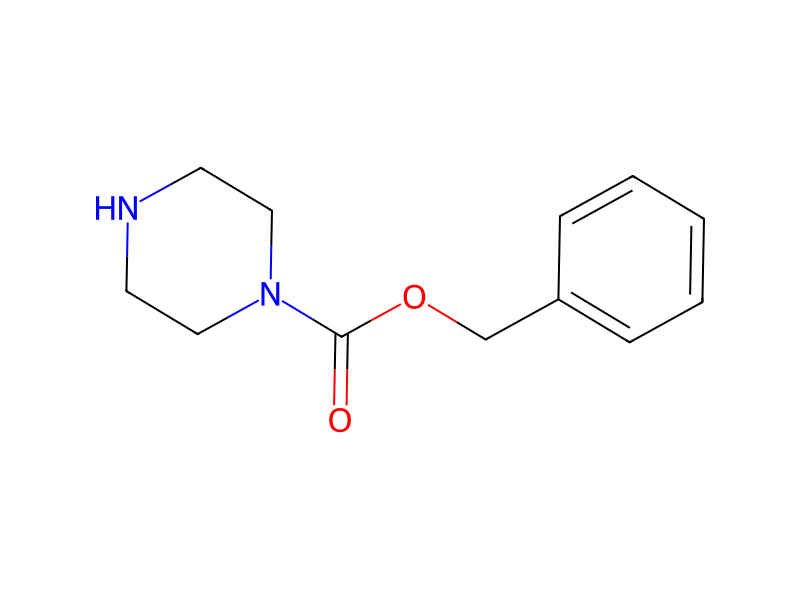
[N:1]1([C:7]([O:9][CH2:10][C:11]2[CH:16]=[CH:15][CH:14]=[CH:13][CH:12]=2)=[O:8])[CH2:6][CH2:5][NH:4][CH2:3][CH2:2]1.[C:17](O)(=O)C.C(O[BH-](OC(=O)C)OC(=O)C)(=O)C.[Na+].[OH-].[Na+].O1[CH2:41][CH2:40][CH2:39]C1>>[CH2:17]([N:4]1[CH2:5][CH2:6][N:1]([C:7]([O:9][CH2:10][C:11]2[CH:16]=[CH:15][CH:14]=[CH:13][CH:12]=2)=[O:8])[CH2:2][CH2:3]1)[CH:40]([CH3:39])[CH3:41]Benzyl 1-piperazinecarboxylate (1.1 g, 5.00 mmol) and isobutylaldehyde (0.91 mL, 10.0 mmol) were dissolved in 30 mL of tetrahydrofuran, and acetic acid (0.57 mL, 10.0 mmol) and sodium triacetoxyborohydride (2.11 g, 10.0 mmol) were added thereto, and the reaction mixture was stirred at room temperature for two hours. The reaction mixture was mixed with a 1N aqueous solution of sodium hydroxide, extracted with ethyl acetate twice, and the combined organic layers were washed with brine once. The mixture was dried over anhydrous sodium sulfate and evaporated. The resulting residue was purified by silica gel column chromatography (Fuji Silysia, NH Silica gel; ethyl acetate:hexane=50:50) to give benzyl 4-isobutylpiperazin-1-carboxylate (1.05 g) as a colorless oil.