HomeMCPWorkbenchSkills
HomeWorkbenchNotificationsMe
llms.txt · MCP GuidePrivacy Policy · Terms of Service · Supportv1.8.3
  1. Home
  2. /Reaction

N,N-Diethylaniline → 3-Bromo-4-chloro-5-nitropyridine

HRID 1988857
Print

Reaction equation

HRID 1988857 reaction equation
[Br:1][C:2]1[CH:3]=[N:4][CH:5]=[C:6]([N+:9]([O-:11])=[O:10])[C:7]=1O.P(Cl)(Cl)[Cl:13].C(N(CC)C1C=CC=CC=1)C>>[Br:1][C:2]1[CH:3]=[N:4][CH:5]=[C:6]([N+:9]([O-:11])=[O:10])[C:7]=1[Cl:13]
ParticipantsProcedureWorkupSources & evidenceReaction notes

Participants

4

Reactant 3

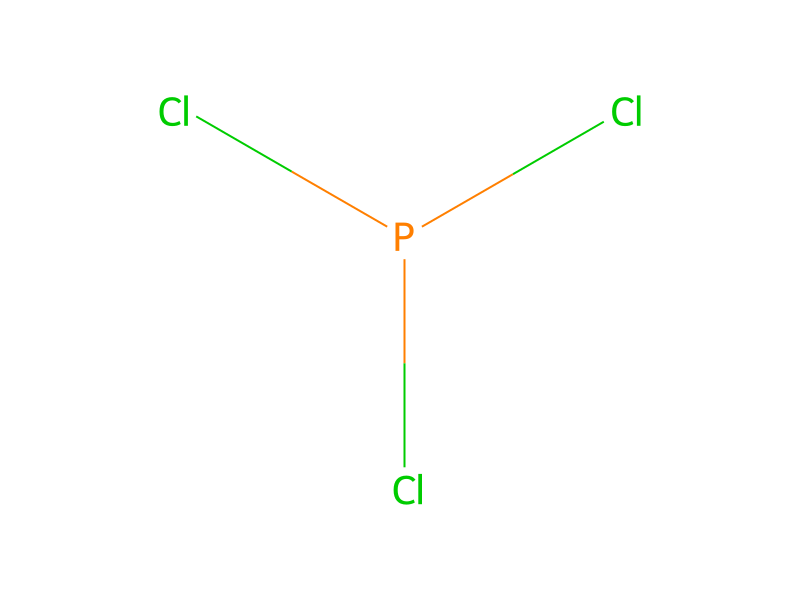
HCID 7061N,N-DiethylanilineHCID 24387Phosphorus trichlorideHCID 178526805CID 86306276

Product 1

HCID 125100523-Bromo-4-chloro-5-nitropyridine

Procedure

3-bromo-5-nitropyridin-4-ol (49.8 g, 0.227 mol) prepared in Step 1 was slowly added at 0° C. to 200 ml of phosphorus trichloride. N,N-diethylaniline (34.65 ml, 0.227 mol) was slowly added thereto at the same temperature. The reaction mixture was refluxed under stirring for 2 hours and then concentrated under reduced pressure. The resulting residue was added to ice water and then extracted with 300 ml of ether. The separated organic layer was dried on anhydrous magnesium sulfate and then concentrated under reduced pressure to give 32.4 g of the titled compound as a pale yellow solid. The product was used in the subsequent step without further purification.

Workup

  1. temperatureThe reaction mixture was refluxed
  2. concentrationconcentrated under reduced pressure
  3. additionThe resulting residue was added to ice water
  4. extractionextracted with 300 ml of ether
  5. dry with materialThe separated organic layer was dried on anhydrous magnesium sulfate
  6. concentrationconcentrated under reduced pressure

Sources & evidence

ORD record
ord-f0a0539756a14b3fba22f46a6b043f8c
Source dataset
uspto-grants-2010_01
DOI
10.6084/m9.figshare.5104873.v1
Patent number
US07642269B2

Reaction notes

On this pageParticipantsProcedureWorkupSources & evidenceReaction notes