HomeMCPWorkbenchSkills
HomeWorkbenchNotificationsMe
llms.txt · MCP GuidePrivacy Policy · Terms of Service · Supportv1.8.3
  1. Home
  2. /Reaction

2-Methyl-3-butyn-2-ol → 4-(1,1-Dimethyl-2-propynyloxy)anisole

HRID 1993475
Print

Reaction equation

HRID 1993475 reaction equation
[CH3:1][O:2][C:3]1[CH:8]=[CH:7][C:6](O)=[CH:5][CH:4]=1.N12CCCNC1CCCC=C2.[CH3:21][C:22]([OH:26])([C:24]#[CH:25])[CH3:23].FC(F)(F)C(OC(=O)C(F)(F)F)=O.CC1(C)OC2=CC3C(C)=CC(C#N)=NC=3C=C2C=C1.[Cl-].[NH4+]>C(#N)C.[Cu]Cl>[CH3:21][C:22]([CH3:23])([O:26][C:6]1[CH:7]=[CH:8][C:3]([O:2][CH3:1])=[CH:4][CH:5]=1)[C:24]#[CH:25]
ParticipantsConditionsProcedureWorkupSources & evidenceReaction notes

Participants

9

Reactant 6

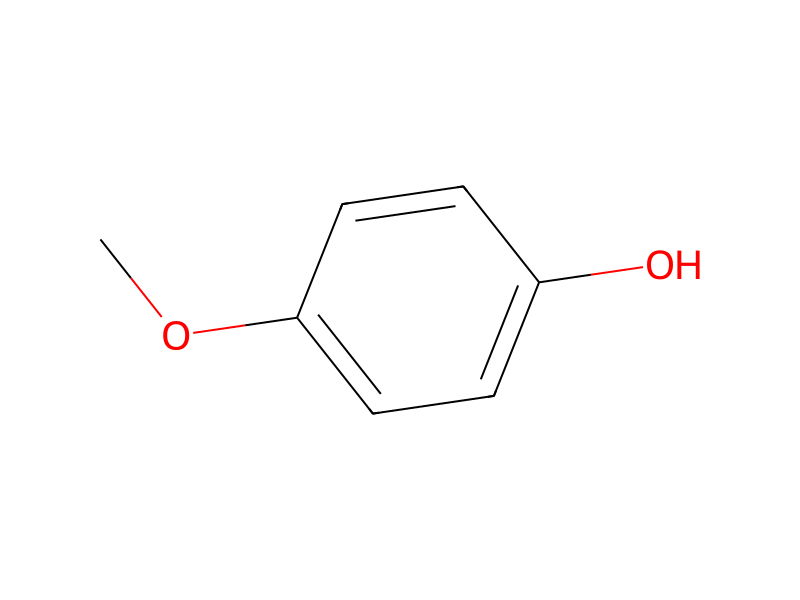
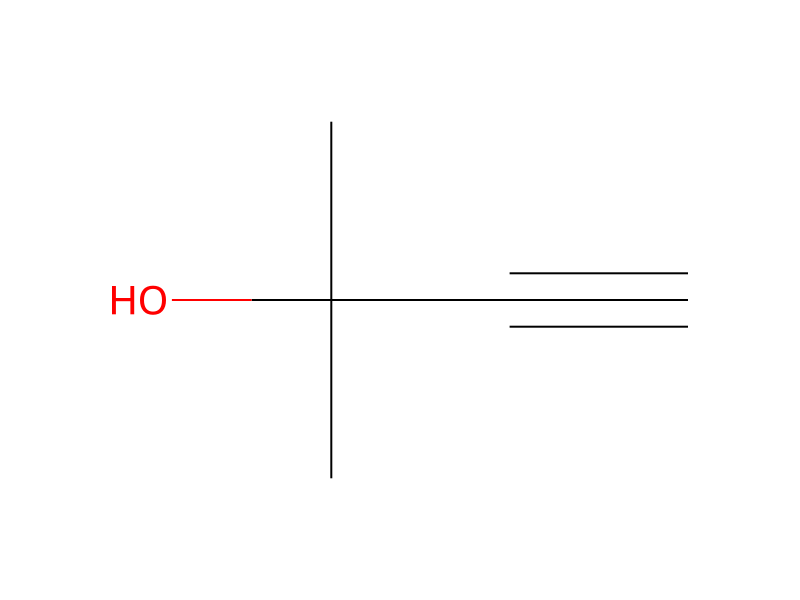
HCID 82582-Methyl-3-butyn-2-olHCID 90154-MethoxyphenolHCID 9845Trifluoroacetic anhydrideHCID 25517Ammonium ChlorideHCID 98128211,8-Diazabicyclo[5.4.0]undec-2-ene2×HCID 672473152,2,9-Trimethyl-2H-pyrano[2,3-g]quinoline-7-carbonitrile2×

Product

1
HCID 118302224-(1,1-Dimethyl-2-propynyloxy)anisole

Reagents, catalysts & solvents 2

HCID 62652Cuprous chlorideCatalystHCID 6342AcetonitrileSolvent2×

Conditions

Temperature
0 °C

Procedure

To a solution of 4-methoxyphenol (15.0 g, 121 mmol) in acetonitrile (75 mL), 1,8-diazabicyclo[5.4.0]undecene (23.9 g, 157 mmol) was added under ice cooling and the resulting mixture was stirred at 0° C. for 30 minutes (Solution 1). To a solution of 2-methyl-3-butyn-2-ol (11.7 g, 139 mmol) in acetonitrile (75 mL), 1,8-diazabicyclo[5.4.0]undecene (23.9 g, 157 mmol) was added under ice cooling, the resulting mixture was stirred at 0° C. for 30 minutes, then trifluoroacetic anhydride (25.4 g, 121 mmol) was added and the resulting mixture was stirred at 0° C. for 30 minutes (Solution 2). Copper (I) chloride (36 mg, 0.36 mmol) was added to Solution 1, and then Solution 2 was added dropwise thereto over 15 minutes. Upon the completion of dropwise addition, the temperature was raised to room temperature, and the mixture was stirred overnight. Upon the completion of the reaction, an aqueous solution of ammonium chloride solution was added to the reaction solution, and the solvent was distilled off under a reduced pressure. An aqeuous solution of 1 mol/L hydrochloric acid was added to the residue, the resulting mixture was extracted with ethyl acetate, the organic phase was washed once with an aqeuous solution of 1 mol/L hydrochloric acid, twice with an aqueous solution of saturated sodium hydrogen carbonate and once with saturated sodium chloride solution. Then, the organic phase was dried over anhydrous magnesium sulfate. After distilling off the solvent, the residue was directly used for the subsequent reaction.

Workup

  1. waitover 15 minutes
  2. additionUpon the completion of dropwise addition
  3. temperaturethe temperature was raised to room temperature
  4. stirringthe mixture was stirred overnight
  5. customUpon the completion of the reaction
  6. distillationthe solvent was distilled off under a reduced pressure
  7. additionAn aqeuous solution of 1 mol/L hydrochloric acid was added to the residue
  8. extractionthe resulting mixture was extracted with ethyl acetate
  9. washthe organic phase was washed once with an aqeuous solution of 1 mol/L hydrochloric acid, twice with an aqueous solution of saturated sodium hydrogen carbonate and once with saturated sodium chloride solution
  10. dry with materialThen, the organic phase was dried over anhydrous magnesium sulfate
  11. distillationAfter distilling off the solvent
  12. customthe residue was directly used for the subsequent reaction

Sources & evidence

ORD record
ord-7403f6a319a04cea846f0f9d9f80e25e
Source dataset
uspto-grants-2010_01
DOI
10.6084/m9.figshare.5104873.v1
Patent number
US07652008B2

Reaction notes

On this pageParticipantsConditionsProcedureWorkupSources & evidenceReaction notes