HomeMCPWorkbenchSkills
HomeWorkbenchNotificationsMe
llms.txt · MCP GuidePrivacy Policy · Terms of Service · Supportv1.8.0
  1. Home
  2. /Reaction

1-Bromopropane → 3-Cyclopropyl-7-propylxanthine

HRID 2032
Notes
Print preview

Reaction equation

HRID 2032 reaction equation
[CH:1]1([N:4]2[C:12]3[N:11]=[CH:10][NH:9][C:8]=3[C:7](=[O:13])[NH:6][C:5]2=[O:14])[CH2:3][CH2:2]1.[H-].[Na+].[H][H].Br[CH2:20][CH2:21][CH3:22]>CN(C)C=O>[CH:1]1([N:4]2[C:12]3[N:11]=[CH:10][N:9]([CH2:20][CH2:21][CH3:22])[C:8]=3[C:7](=[O:13])[NH:6][C:5]2=[O:14])[CH2:3][CH2:2]1
ParticipantsConditionsProcedureWorkupSources & evidenceReaction notes

Participants

6

Reactant 4

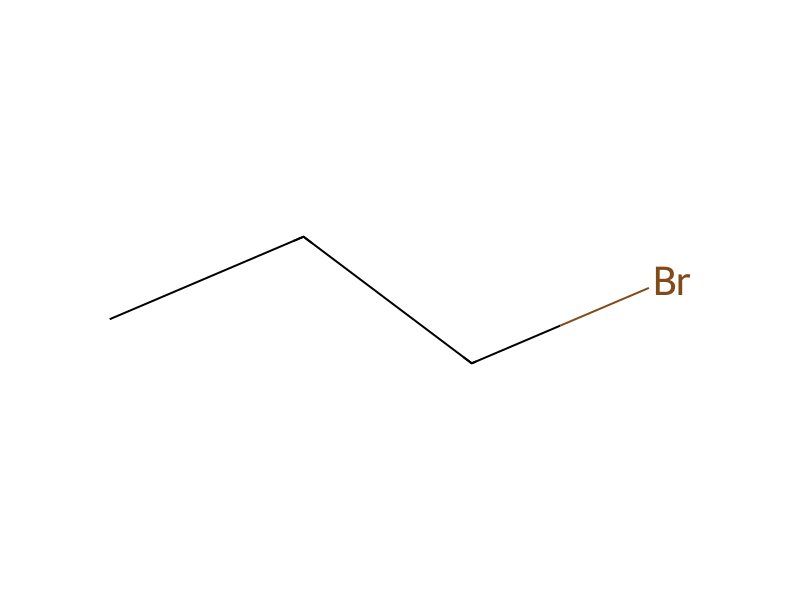
HCID 78401-BromopropaneHCID 24758Sodium hydrideHCID 30589961H-Purine-2,6-dione, 3,7-dihydro-3-cyclopropyl-HCID 178418361HCID 178418361, compound

Product 1

HCID 196892703-Cyclopropyl-7-propylxanthine

Reagents, catalysts & solvents 1

HCID 6228
Dimethylformamide
Solvent

Conditions

Temperature
60 °C

Procedure

9.6 g (0.05 mol) of 3-cyclopropylxanthine were suspended in 150 ml of dimethylformamide and slowly deprotonated using 1.45 g (0.06 mol) of sodium hydride. When evolution of hydrogen was at an end, the solution was heated to 60° C. and treated dropwise with 6.77 g (0.055 mol) of bromopropane. After stirring at 70° C. for 3 hours, the solution was filtered, the dimethylformamide was evaporated under reduced pressure and the residue was crystallized from diisopropyl ether.

Workup

  1. filtrationthe solution was filtered
  2. customthe dimethylformamide was evaporated under reduced pressure
  3. customthe residue was crystallized from diisopropyl ether

Sources & evidence

ORD record
ord-8e167d88150f459d95e6145c9ec1c182
Source dataset
uspto-grants-1998_03
DOI
10.6084/m9.figshare.5104873.v1
Patent number
US05728686

Reaction notes

Loading…

On this pageParticipantsConditionsProcedureWorkupSources & evidenceReaction notes