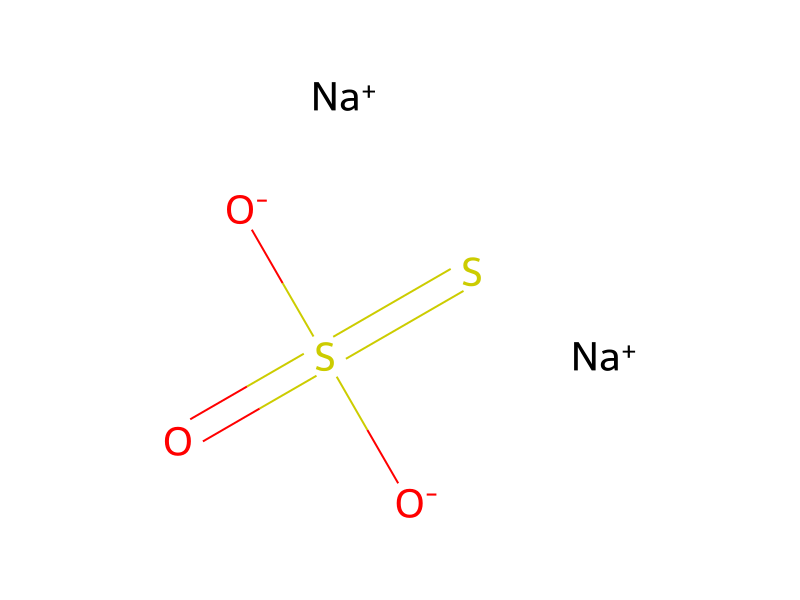
[Br:1]Br.C([O-])(=O)C.[K+].[C:8]([C:10]1[CH:11]=[C:12]([C:16]2[N:17]=[C:18]([C:21]([O:23][CH2:24][CH3:25])=[O:22])[S:19][CH:20]=2)[CH:13]=[CH:14][CH:15]=1)#[N:9].S([O-])([O-])(=O)=S.[Na+].[Na+]>C(O)(=O)C>[Br:1][C:20]1[S:19][C:18]([C:21]([O:23][CH2:24][CH3:25])=[O:22])=[N:17][C:16]=1[C:12]1[CH:13]=[CH:14][CH:15]=[C:10]([C:8]#[N:9])[CH:11]=1At room temperature, 3.18 g (19.9 mmol) of bromine and 1.95 g (19.9 mmol) of potassium acetate are added to 1.03 g (3.98 mmol) of the compound from Example 34A in 50 ml of conc. acetic acid. The mixture is stirred at 100° C. for 12 h, whereby after 6 and 9 h the same amount of bromine (in each case 3.18 g, 19.9 mmol) and potassium acetate (in each case 1.95 g, 19.9 mmol) are again added. A 1M aqueous sodium thiosulfate solution is subsequently added, and the reaction solution is extracted with dichloromethane. The combined organic phases are dried over MgSO4, filtered and concentrated under reduced pressure. The crude product is purified by flash chromatography (mobile phase: cyclohexane/ethyl acetate 20:1→10:1). 1.15 g (86% of theory) of the title compound are obtained.