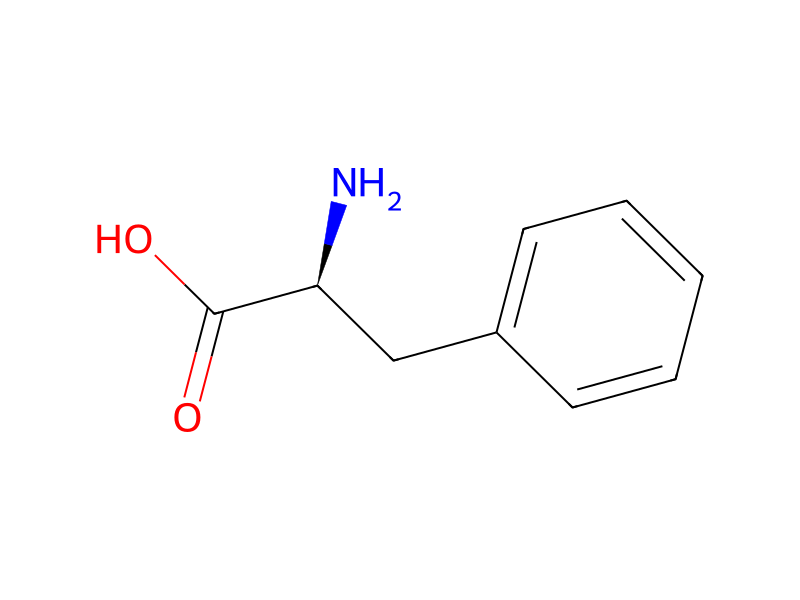
L-Phenylalanine was converted to 4-nitro-L-phenylalanine by a conventional nitration process known in the art. Thereafter, about 100 g of 4-nitro-L-phenylalanine was dissolved in about 600 mL of about 3.5% methanolic sodium hydroxyide solution and hydrogenated by hydrogen gas at a pressure of about 45 psi in the presence of a 5% palladium/carbon catalyst with the pH of the solution being about 11. The temperature of the reaction mixture was maintained from about 20° C. to about 40° C. The reaction mixture was periodically monitored for the completion of reaction by use of HPLC analysis. The reaction mixture was then filtered to remove the palladium/carbon catalyst and neutralized to about pH 7 with acetic acid. The neutralized filtrate was cooled to about 5° C., until 4-amino-L-phenylalanine precipitated out. The precipitate was isolated by filtration, washed with methanol and dried. (Weight 76 g, HPLC Purity 98%.)