Reaction equation

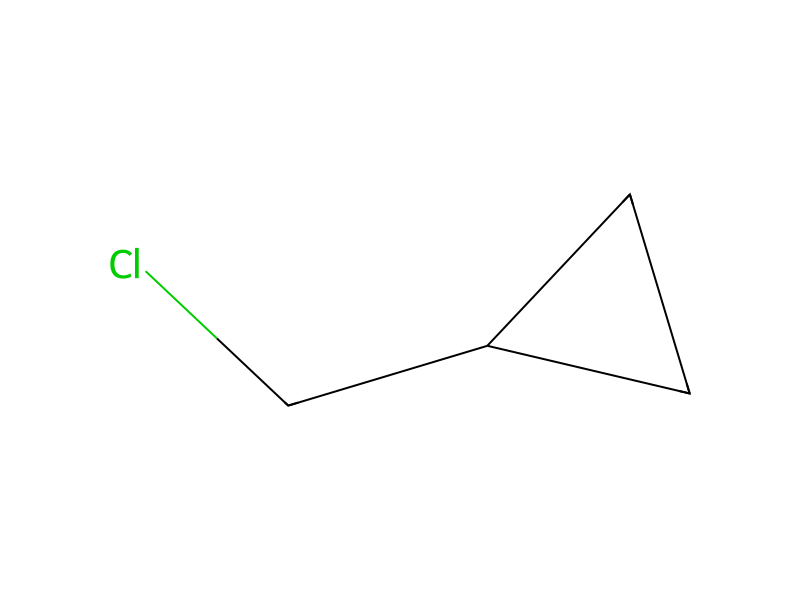
[C:1]1([N:7]2[C:15]3[N:14]=[CH:13][NH:12][C:11]=3[C:10](=[O:16])[N:9]([CH2:17][P:18](=[O:21])([CH3:20])[CH3:19])[C:8]2=[O:22])[CH:6]=[CH:5][CH:4]=[CH:3][CH:2]=1.Cl[CH2:24][CH:25]1[CH2:27][CH2:26]1.C(=O)([O-])[O-].[K+].[K+]>>[CH:25]1([CH2:24][N:12]2[C:11]3[C:10](=[O:16])[N:9]([CH2:17][P:18](=[O:21])([CH3:20])[CH3:19])[C:8](=[O:22])[N:7]([C:1]4[CH:2]=[CH:3][CH:4]=[CH:5][CH:6]=4)[C:15]=3[N:14]=[CH:13]2)[CH2:27][CH2:26]1Participants
4



Procedure
3.9 g (0.0123 mol) of [1-(3-phenylxanthin-1-yl)methyl]dimethylphosphine oxide (Example 70) were stirred at 70° C. for 6 hours with 1.33 g (0.0147 mol) of chloromethylcyclopropane and 2 g of potassium carbonate. The solution was filtered and concentrated, and the residue which remained was chromatographed on silica gel (eluent: ethyl acetate/methanol 10:1).
Workup
- filtrationThe solution was filtered
- concentrationconcentrated
- customthe residue which remained was chromatographed on silica gel (eluent: ethyl acetate/methanol 10:1)
Sources & evidence
- ORD record
- ord-81b4f491699b43439864ee808917472d
- Source dataset
- uspto-grants-1998_03
- Patent number
- US05728686
Linked notes
Loading…