Reaction equation

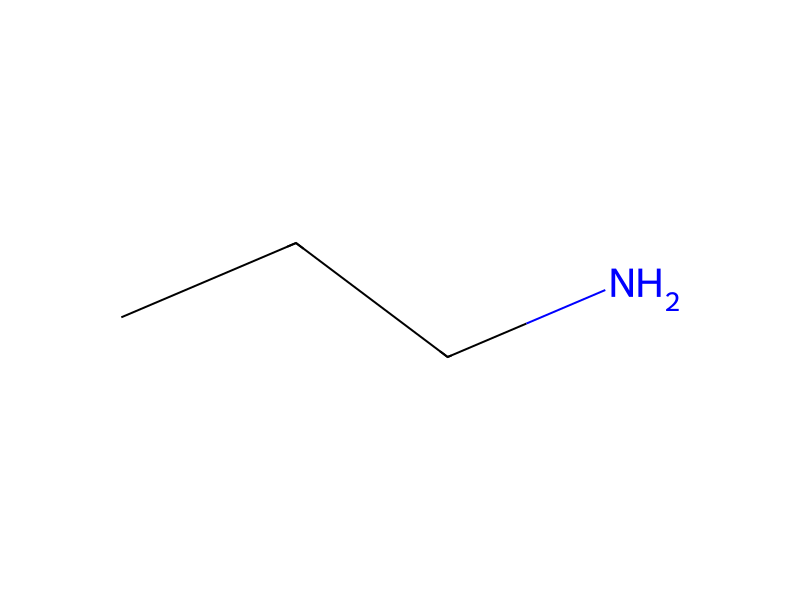
F[C:2]1[CH:7]=[C:6]([O:8][CH2:9][CH2:10][CH2:11][N:12]([CH2:15][CH3:16])[CH2:13][CH3:14])[CH:5]=[CH:4][C:3]=1[N+:17]([O-:19])=[O:18].[CH2:20]([NH2:23])[CH2:21][CH3:22]>C1COCC1>[CH2:20]([NH:23][C:2]1[CH:7]=[C:6]([O:8][CH2:9][CH2:10][CH2:11][N:12]([CH2:15][CH3:16])[CH2:13][CH3:14])[CH:5]=[CH:4][C:3]=1[N+:17]([O-:19])=[O:18])[CH2:21][CH3:22]Participants
4
Reactant 2

Product 1

Reagents, catalysts & solvents 1

Procedure
A solution of 2-fluoro-4-(3-diethylamino-1-propoxy)nitrobenzene (2 mmol; preparation described in Example 5) in THF (5 mL) is treated with propylamine (3 mmol) at rt. After completion of the reaction, the reaction mixture is concentrated in vacuo. The residue is redissolved in EtOAc (10 mL), washed with saturated sodium bicarbonate solution, water, and brine. The organic phase is then dried over sodium sulfate and the solvent is removed in vacuo to afford the product, 2-(propylamino)-4-(3-diethylamino-1-propoxy)nitrobenzene (540 mg) which was used for further transformation without further purification.
Workup
- customAfter completion of the reaction
- concentrationthe reaction mixture is concentrated in vacuo
- dissolutionThe residue is redissolved in EtOAc (10 mL)
- washwashed with saturated sodium bicarbonate solution, water, and brine
- dry with materialThe organic phase is then dried over sodium sulfate
- customthe solvent is removed in vacuo
Sources & evidence
- ORD record
- ord-29d2991b196f46a9a3b7b99241eac72c
- Source dataset
- uspto-grants-2008_02
- Patent number
- US07329684B2
Linked notes
Loading…