HomeMCPWorkbenchSkills
HomeWorkbenchNotificationsMe
llms.txt · MCP GuidePrivacy Policy · Terms of Service · Supportv1.8.3
  1. Home
  2. /Reaction

Potassium Bromide → HCID 20549704, compound

HRID 2058409
Print

Reaction equation

HRID 2058409 reaction equation
[K].Br[C:3]1[CH:4]=[C:5]2[C:14](=[CH:15][CH:16]=1)[P:13](=[O:18])([OH:17])[O:12][C:11]1[CH:10]=[CH:9][CH:8]=[CH:7][C:6]2=1.[F-:19].[K+].[Br-].[K+]>O.O1CCOCC1.C(O)COCCO>[F:19][C:3]1[CH:4]=[C:5]2[C:14](=[CH:15][CH:16]=1)[P:13](=[O:18])([OH:17])[O:12][C:11]1[CH:10]=[CH:9][CH:8]=[CH:7][C:6]2=1
ParticipantsProcedureWorkupSources & evidenceReaction notes

Participants

8

Reactant 4

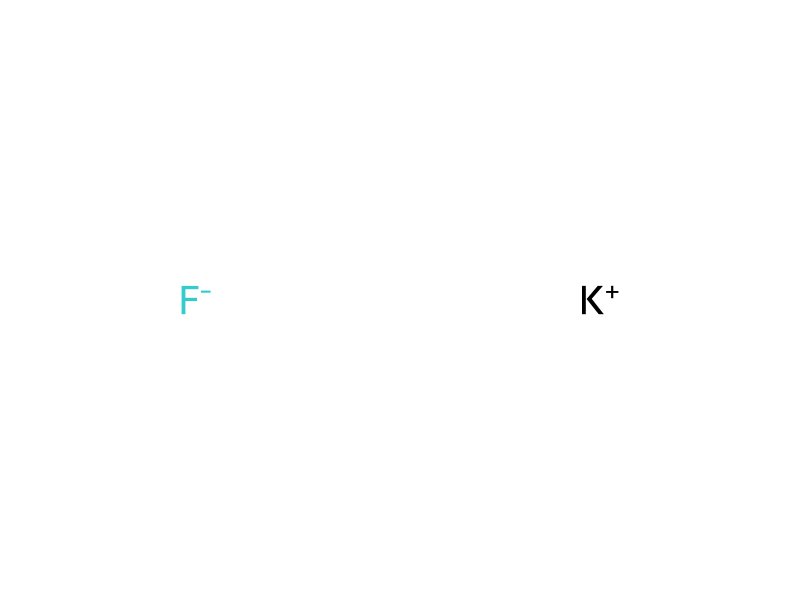
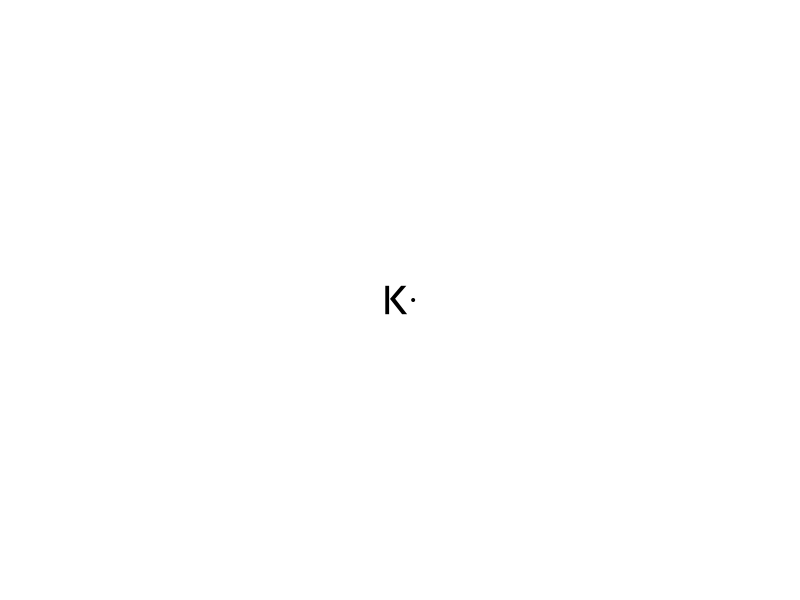
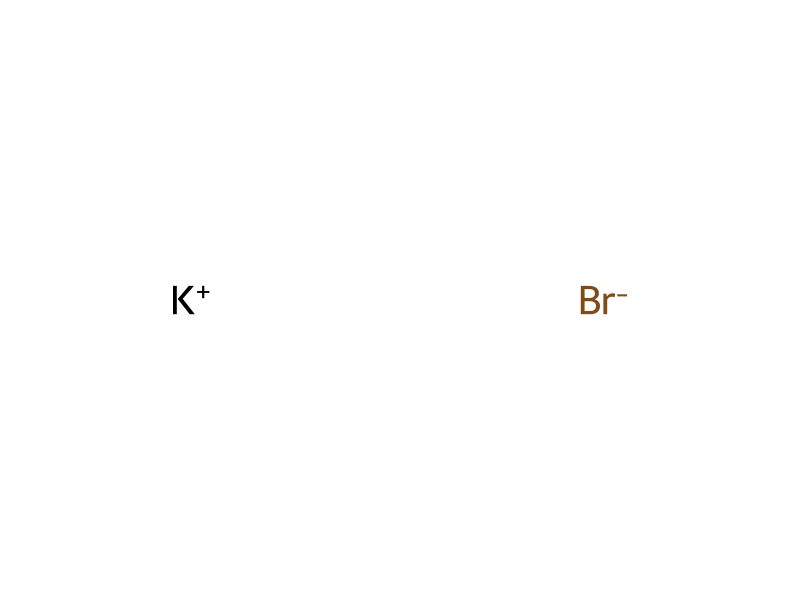
HCID 253877Potassium BromideHCID 522689Potassium Fluoride2×HCID 5462222PotassiumHCID 205497059,10-Dihydro-6-bromo-9-hydroxy-9-phospha-10-oxaphenanthrene-9-oxide

Product 1

HCID 20549704HCID 20549704, compound

Reagents, catalysts & solvents 3

HCID 962
Water
Solvent
HCID 8117Diethylene GlycolSolvent
HCID 312751,4-DioxaneSolvent

Procedure

Into a 200 ml capacity 3-neck flask equipped with a thermometer, a reflux condenser and a stirrer are fed 50 g of potassium salt of 9,10-dihydro-6-bromo-9-hydroxy-9-phospha-10-oxaphenanthrene-9-oxide (CA-B6-K), 30 g of potassium fluoride and 100 g of diethylene glycol, and the flask is heated with stirring so that the contents boil slowly. Dioxane and water are formed little by little to reduce the temperature of the contents. Thus, while they are taken out, the initial boiling temperature is maintained to carry out the reaction for 8 hours. The reaction mixture is cooled down to room temperature to deposit an excess amount of potassium fluoride and potassium bromide formed by the reaction, which are then filtered off. To the resulting filtrate are added 100 ml of water and thereafter 30 ml of 10 N hydrochloric acid to deposit an acid, which is then filtered, dried and recrystallized from ethanol to give about 20 g of 9,10-dihydro-6-fluoro-9-hydroxy-9-phospha-10-oxaphenanthrene-9-oxide, exhibiting a phosphorus content of 12.3% (theoretical value: 12.4%), an acid value of 224 (theoretical value: 224.3) and a melting point of 240° C. or higher, which will be hereinafter referred to as CA-F6.

Workup

  1. customInto a 200 ml capacity 3-neck flask equipped with a thermometer, a reflux condenser and a stirrer
  2. temperaturethe flask is heated
  3. temperaturethe initial boiling temperature is maintained
  4. customthe reaction for 8 hours
  5. customformed by the reaction, which
  6. filtrationare then filtered off
  7. additionTo the resulting filtrate are added 100 ml of water
  8. filtrationis then filtered
  9. customdried
  10. customrecrystallized from ethanol

Sources & evidence

ORD record
ord-3b8cced1303643dcaa064452f234f578
Source dataset
uspto-grants-1982_03
DOI
10.6084/m9.figshare.5104873.v1
Patent number
US04317769

Reaction notes

On this pageParticipantsProcedureWorkupSources & evidenceReaction notes