HomeMCPSkillsWorkbenchOpenChem
HomeWorkbenchNotificationsMe
llms.txt · skill.md · MCP GuidePrivacy Policy · Terms of Service · Supportv1.8.5
  1. Home
  2. /Reaction

1,4-Cyclohexadiene → 3-(6'-Bromo-4-methyl-3'-oxo-2-phenyl-3,4,5,6-tetrahydro-2H,3'H-[1,2']bipyrazinyl-4'-yl)-N-cyclopropyl-4-methyl-benzamide

HRID 2070718
Print

Reaction equation

Br[C:2]1[C:3](=[O:20])[N:4]([C:9]2[CH:10]=[C:11]([CH:16]=[CH:17][C:18]=2[CH3:19])[C:12]([O:14]C)=O)[CH:5]=[C:6]([Br:8])[N:7]=1.[CH3:21][N:22]1[CH2:27][CH2:26][NH:25][CH:24]([C:28]2[CH:33]=[CH:32][CH:31]=[CH:30][CH:29]=2)[CH2:23]1.C([N:37](CC)[CH:38]([CH3:40])[CH3:39])(C)C.C1CC=CCC=1.C1(N)CC1.C([Mg]Cl)(C)C>[Pd].O1CCCC1>[Br:8][C:6]1[N:7]=[C:2]([N:25]2[CH2:26][CH2:27][N:22]([CH3:21])[CH2:23][CH:24]2[C:28]2[CH:29]=[CH:30][CH:31]=[CH:32][CH:33]=2)[C:3](=[O:20])[N:4]([C:9]2[CH:10]=[C:11]([CH:16]=[CH:17][C:18]=2[CH3:19])[C:12]([NH:37][CH:38]2[CH2:40][CH2:39]2)=[O:14])[CH:5]=1
ParticipantsConditionsProcedureWorkupSources & evidenceReaction notes

Participants

9

Reactant 6

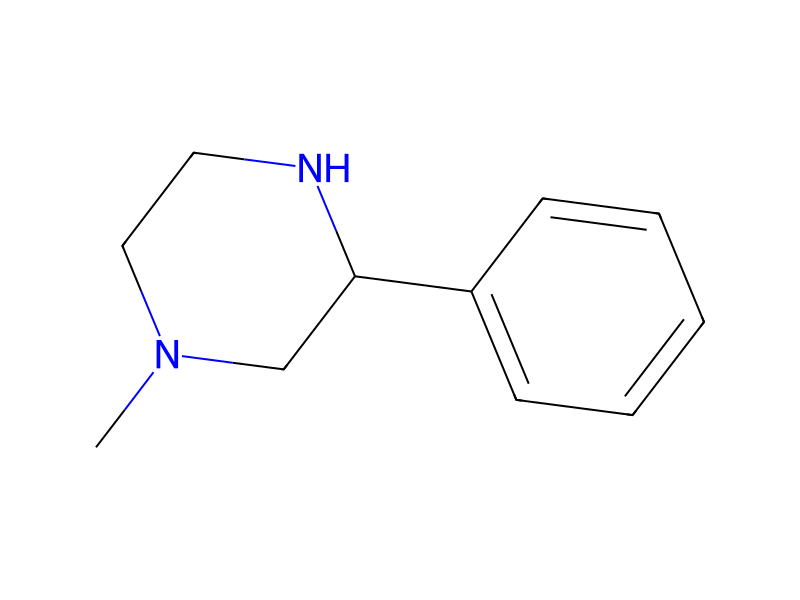
HCID 123431,4-CyclohexadieneHCID 69828CyclopropylamineHCID 81531DiisopropylethylamineHCID 27600091-Methyl-3-phenylpiperazineHCID 66688740methyl 3-(3,5-dibromo-2-oxopyrazin-1(2H)-yl)-4-methylbenzoateHCID 178418918HCID 178418918, compound

Product 1

HCID 666862963-(6'-Bromo-4-methyl-3'-oxo-2-phenyl-3,4,5,6-tetrahydro-2H,3'H-[1,2']bipyrazinyl-4'-yl)-N-cyclopropyl-4-methyl-benzamide

Reagents, catalysts & solvents 2

HCID 23938PalladiumCatalyst2×HCID 8028TetrahydrofuranSolvent3×

Conditions

Temperature
100 °C

Procedure

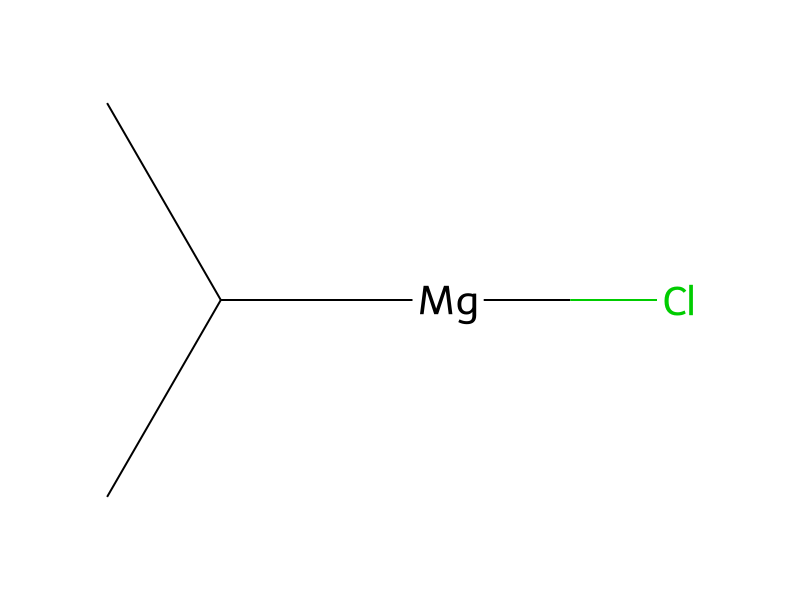
A mixture of 3-(3,5-dibromo-2-oxo-2H-pyrazin-1-yl)-4-methyl-benzoic acid, methyl ester (Example 1b, 115 mg), 1-methyl-3-phenyl-piperazine (77 mg), N,N-diisopropylethylamine (0.1 mL) and tetrahydrofuran (1 mL) was heated within a microwave for 30 minutes at 100° C. before being cooled to room temperature. The mixture was transferred to a mixture of palladium on carbon (10%, 50 mg) and tetrahydrofuran (1 mL) and 1,4-cyclohexadiene (1 mL) was added. The mixture was heated under atmosphere of nitrogen within a microwave for 2.5 h at 120° C. An additional portion of palladium on carbon (50 mg) in tetrahydrofuran (1 mL) was added and the mixture was heated for 1 h at 120° C. After cooling, cyclopropylamine (0.3 mL) was added followed by dropwise addition of a solution of iso-propylmagnesium chloride (2M in tetrahydrofuran, 2.5 mL). The mixture was stirred for 10 min. and quenched with sat. aqueous NH4Cl and extracted into ethyl acetate. The organic phase was dried (Na2SO4), filtered and concentrated. Purification by preparative HPLC (Gemini column, 0.1% ammonia: acetonitrile eluent) afforded N-cyclopropyl-4-methyl-3-(4-methyl-3′-oxo-2-phenyl-3,4,5,6-tetrahydro-2H,3′-[1,2′]bipyrazinyl-4′-yl)-benzamide (49 mg) and 3-(6′-Bromo-4-methyl-3′-oxo-2-phenyl-3,4,5,6-tetrahydro-2H,3′H-[1,2′]bipyrazinyl-4′-yl)-N-cyclopropyl-4-methyl-benzamide (8 mg).

Workup

  1. temperaturebefore being cooled to room temperature
  2. additionwas added
  3. temperatureThe mixture was heated under atmosphere of nitrogen within a microwave for 2.5 h at 120° C
  4. temperaturethe mixture was heated for 1 h at 120° C
  5. temperatureAfter cooling
  6. customquenched with sat. aqueous NH4Cl
  7. extractionextracted into ethyl acetate
  8. dry with materialThe organic phase was dried (Na2SO4)
  9. filtrationfiltered
  10. concentrationconcentrated
  11. customPurification by preparative HPLC (Gemini column, 0.1% ammonia: acetonitrile eluent)

Sources & evidence

ORD record
ord-a41a4a0f1cad4f60babc85e0e76ef93f
Source dataset
uspto-grants-2012_10
DOI
10.6084/m9.figshare.5104873.v1
Patent number
US08299246B2

Reaction notes

On this pageParticipantsConditionsProcedureWorkupSources & evidenceReaction notes