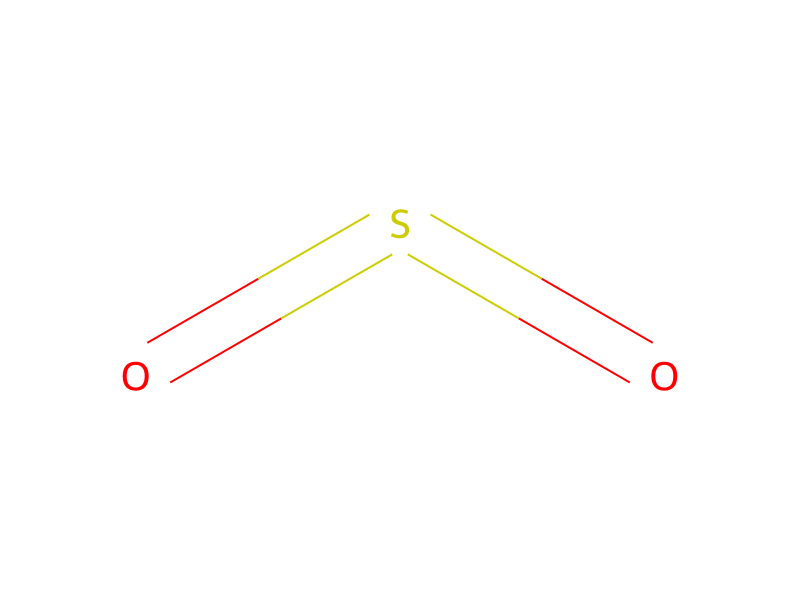
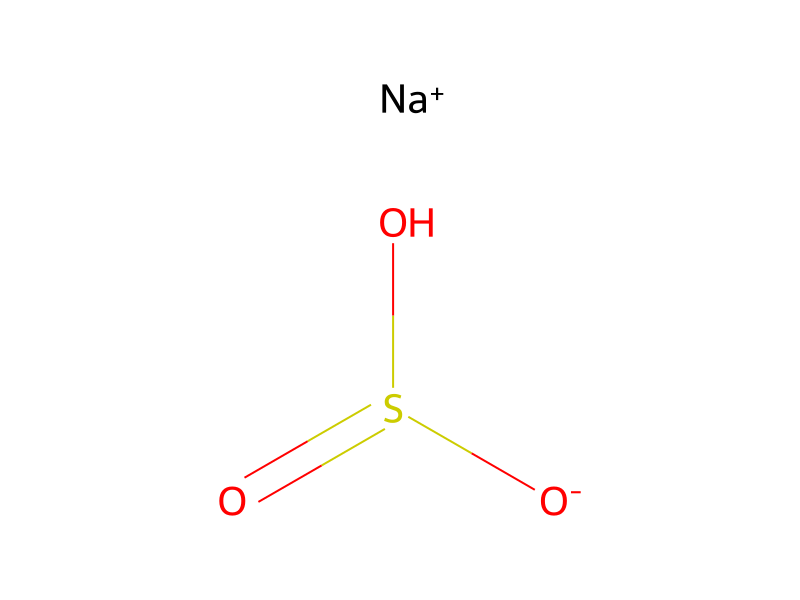
S(=O)(O)[O-].[Na+].[OH-].[Na+].[NH2:8][C:9]1[C:18]2[C:13](=[CH:14][C:15]([S:19]([OH:22])(=[O:21])=[O:20])=[CH:16][CH:17]=2)[CH:12]=[CH:11][CH:10]=1.N[C:24]1[CH:25]=[C:26]([P:30](=[O:33])([OH:32])[OH:31])[CH:27]=[CH:28][CH:29]=1.Cl.S(=O)=O>>[P:30]([C:26]1[CH:25]=[C:24]([NH:8][C:9]2[C:18]3[C:13](=[CH:14][C:15]([S:19]([OH:22])(=[O:20])=[O:21])=[CH:16][CH:17]=3)[CH:12]=[CH:11][CH:10]=2)[CH:29]=[CH:28][CH:27]=1)([OH:33])([OH:32])=[O:31]Sodium bisulphite liquor (40% -- 23 parts), sodium hydroxide liquor (70° Tw -- 8.1 parts), salt (1.8 parts), 1-amino-6-sulphonaphtalene (11.2 parts) and 3-aminophenylphosphonic acid (10.4 parts) are heated in a sealed tube for 10 hours at 130° C. After cooling the tube is opened and hydrochloric acid (36% - 13.9 parts) is added until an acid reaction is obtained on Congo Red paper. The suspension is boiled under reflux for 1 hour until evolution of sulphur dioxide has essentially ceased. During this period samples are spotted on to Congo Red paper to confirm acid reaction. The suspension is cooled to room temperature and filtered. The filtrate is set stirring and sodium chloride (8 parts = 20% wt/vol) added. After stirring for 18 hours the suspension is filtered under vacuum and the cake pressed well to remove mothers liquor. The paste (8 parts) is dried in air at 50°-60° C to give 7 parts of 1-(3-phosphonophenylamino)-6-sulphonaphthalene.