HomeMCPWorkbenchSkills
HomeWorkbenchNotificationsMe
llms.txt · MCP GuidePrivacy Policy · Terms of Service · Supportv1.8.0
  1. Home
  2. /Reaction

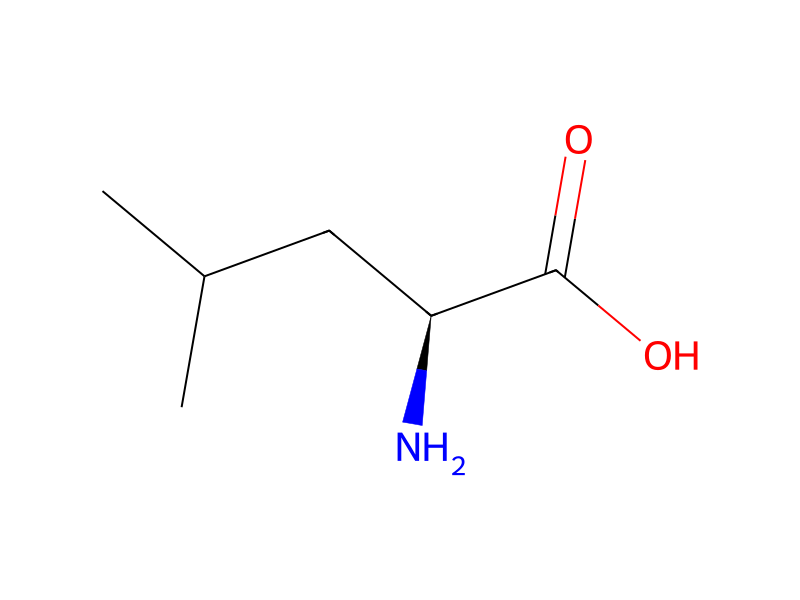
DL-leucine → HCID 7237625, compound

HRID 2083830
Notes
Print preview

Reaction equation

HRID 2083830 reaction equation
[CH2:1]([O:8][C:9]([NH:11][C@@H:12]([C:17]([OH:19])=O)[CH2:13][CH:14]([CH3:16])[CH3:15])=[O:10])[C:2]1[CH:7]=[CH:6][CH:5]=[CH:4][CH:3]=1.NC(C(O)=O)CC(C)C.N[C@H](C(O)=O)CC(C)C.C(OC(N[C@H](C(O)=O)CC(C)C)=O)C1C=CC=CC=1.Cl.[CH3:58][O:59][C:60](=[O:67])[C@H:61]([CH2:63][CH:64]([CH3:66])[CH3:65])[NH2:62].ON1C2C=CC=CC=2N=N1.C1(N=C=NC2CCCCC2)CCCCC1>C(N(CC)CC)C.CN(C)C=O>[CH3:58][O:59][C:60](=[O:67])[C@H:61]([CH2:63][CH:64]([CH3:66])[CH3:65])[NH:62][C:17](=[O:19])[C@@H:12]([CH2:13][CH:14]([CH3:15])[CH3:16])[NH:11][C:9]([O:8][CH2:1][C:2]1[CH:3]=[CH:4][CH:5]=[CH:6][CH:7]=1)=[O:10]
ParticipantsProcedureWorkupSources & evidenceReaction notes

Participants

10

Reactant 7

HCID 857DL-leucineHCID 6106L-LeucineHCID 10868DicyclohexylcarbodiimideHCID 74840Leucine, N-carboxy-, N-benzyl ester, L-HCID 757711-HydroxybenzotriazoleHCID 2723695Leucine methyl ester hydrochlorideHCID 7000099
N-Cbz-D-leucine

Product 1

HCID 7237625HCID 7237625, compound

Reagents, catalysts & solvents 2

HCID 6228DimethylformamideSolventHCID 8471TriethylamineSolvent

Procedure

A solution of 2.65 g. of Nα -benzyloxycarbonyl-D-leucine [This material is prepared by the same procedure as used by Grassman and Wunsch, Ber. 91, 462 (1968) for the DL-leucine and for the L-leucine see Losse and Demuth, Ber. 94, 1762 (1961). The material is an oil as described for the Nα -benzyloxycarbonyl-L-leucine enantiomer. See also Farthing, J. Chem. Soc. 1950, 3213 and Bergmann, J. Biol. Chem., 115, 593 (1936).] in 50 ml. of dimethylformamide is treated with 1.98 g. of L-leucine methyl ester hydrochloride and cooled in an ice bath. The solution is treated with 1.4 ml. of triethylamine, then with 1.5 g. of 1-hydroxybenztriazole, and finally with 2.26 g. of dicyclohexylcarbodiimide. The reaction is stirred overnight with initial ice bath cooling and gradual warming to room temperature, and then an additional 24 hours at room temperature. The mixture is filtered and the filtrate evaporated. The residue is dissolved in ethyl acetate and the solution washed with 1N hydrochloric acid, saturated sodium chloride solution, 5% sodium bicarbonate solution and again with saturated sodium chloride solution. The ethyl acetate solution is separated and dried over magnesium sulfate, filtered and evaporated. The residue crystallizes and is recrystallized from isopropyl ether; [α]D23 -5.3° (c 2.06, methanol), m.p. 80°-82° C.

Workup

  1. additionThe solution is treated with 1.4 ml
  2. temperaturecooling
  3. customan additional 24 hours
  4. customat room temperature
  5. filtrationThe mixture is filtered
  6. customthe filtrate evaporated
  7. dissolutionThe residue is dissolved in ethyl acetate
  8. washthe solution washed with 1N hydrochloric acid, saturated sodium chloride solution, 5% sodium bicarbonate solution and again with saturated sodium chloride solution
  9. customThe ethyl acetate solution is separated
  10. dry with materialdried over magnesium sulfate
  11. filtrationfiltered
  12. customevaporated
  13. customThe residue crystallizes
  14. customis recrystallized from isopropyl ether

Sources & evidence

ORD record
ord-8a5909307e68424b82bb2850a911ed24
Source dataset
uspto-grants-1978_04
DOI
10.6084/m9.figshare.5104873.v1
Patent number
US04086219

Reaction notes

Loading…

On this pageParticipantsProcedureWorkupSources & evidenceReaction notes