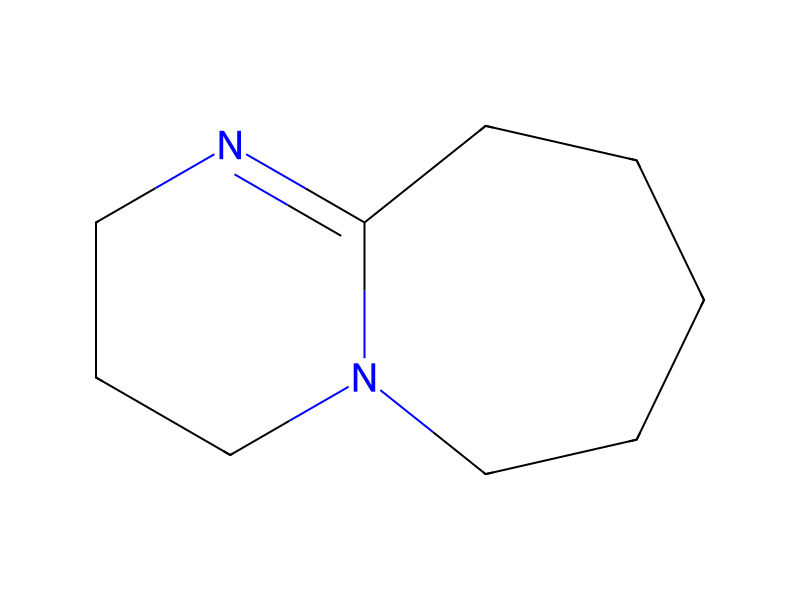
[Cl:1][C:2]1[CH:7]=[CH:6][C:5]([NH:8][C:9]([NH2:11])=[O:10])=[CH:4][C:3]=1[C:12]([F:15])([F:14])[F:13].N12CCCN=C1CCCCC2.N[C:28]1[CH:33]=[CH:32][C:31]([OH:34])=[CH:30][CH:29]=1.CS(C)=O>C(#N)C>[Cl:1][C:2]1[CH:7]=[CH:6][C:5]([NH:8][C:9]([NH:11][C:28]2[CH:33]=[CH:32][C:31]([OH:34])=[CH:30][CH:29]=2)=[O:10])=[CH:4][C:3]=1[C:12]([F:13])([F:14])[F:15]1-(4-chloro-3-(trifluoromethyl)phenyl)urea (100 g, 0.04191 mol), 1,8-diazabicyclo[5.4.0]undec-7-ene (9.4 ml, 0.0628 mol) and 4-amino phenol (5.48 g, 0.050 mol) were mixed with dimethyl sulfoxide (25 ml) and the reaction mass was heated to 80°-90° C. for 8-9 hours. It was then cooled to room temperature and quenched in water (150 ml). The quenched mass was extracted repeatedly with ethyl acetate and the combined ethyl acetate layer was then back washed with water. The residue was then dried over sodium sulfate and evaporated under vacuum to obtain solid. The solid thus obtained was then slurried in acetonitrile (100 ml) at ambient temperature and filtered. It was washed repeatedly with acetonitrile till clear filtrate was obtained. The obtained cake was suck dried for 10 minutes and vacuum dried at 50° C. to give 1-(4-chloro-3-(trifluoromethyl)phenyl)-3-(4-hydroxyphenyl)urea (9.8 g).