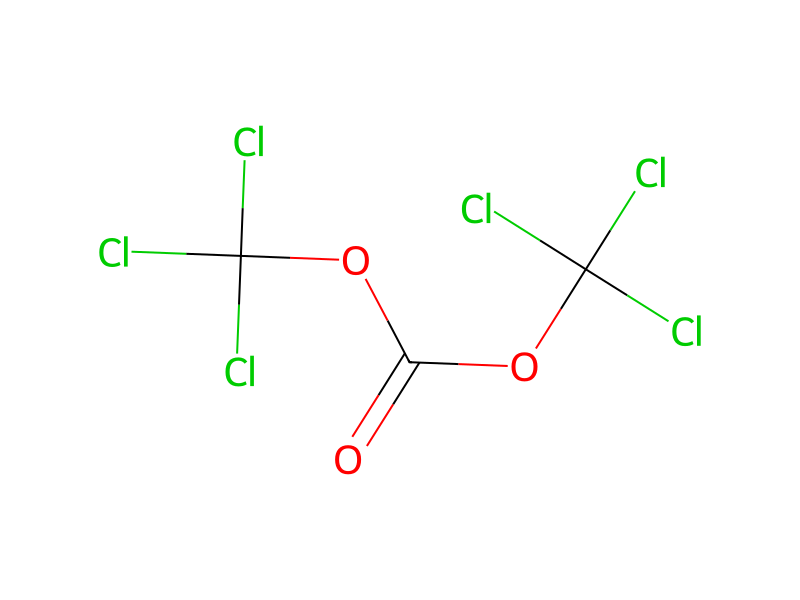
[CH:1]1([CH2:4][NH2:5])[CH2:3][CH2:2]1.ClC(Cl)(O[C:10](=[O:16])OC(Cl)(Cl)Cl)Cl.C(N(CC)CC)C.[NH:25]([C:27]1[C:32]([I:33])=[C:31]([CH3:34])[CH:30]=[CH:29][N:28]=1)[NH2:26]>ClCCl>[CH:1]1([CH2:4][NH:5][C:10]([NH:26][NH:25][C:27]2[C:32]([I:33])=[C:31]([CH3:34])[CH:30]=[CH:29][N:28]=2)=[O:16])[CH2:3][CH2:2]1A solution of cyclopropylmethanamine (0.33 mL, 3.7 mmol) in dichloromethane (2 mL) was added dropwise to a solution of triphosgene (0.39 g, 1.3 mmol) in dichloromethane (15 mL) kept at 0° C. under an argon atmosphere. After 5 minutes, a solution of triethylamine (1.0 mL, 7.2 mmol) in dichloromethane was added dropwise and the mixture was warmed to ambient tempertaure. After stirring two hours, the mixture was cooled to 0° C. and 2-hydrazinyl-3-iodo-4-methylpyridine (preparation 28b, 0.91 g, 3.6 mmol) in dichloromethane (8 mL) was added dropwise. The mixture was warmed to ambient temperature and stirred overnight. The solid precipitate was filtered, washed with diethyl ether and dried to yield the title compound (0.85 g, 68%) as a beige solid.