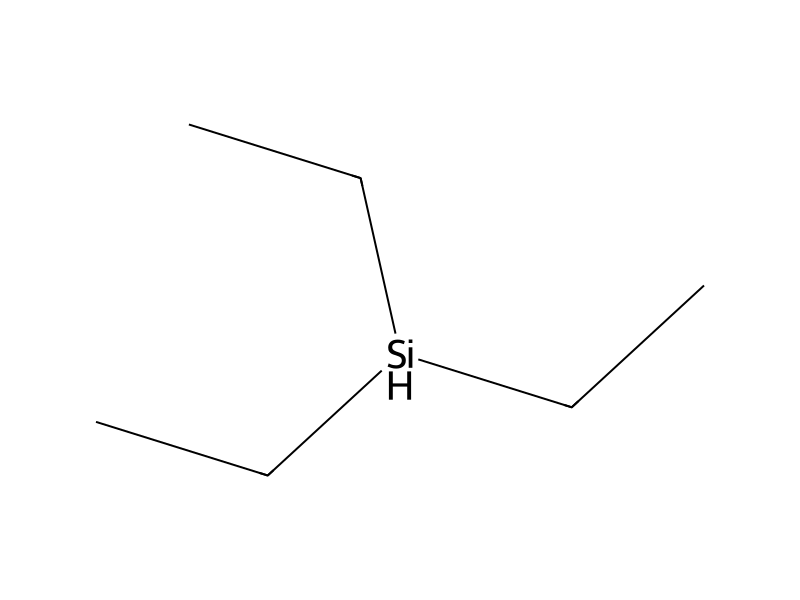
To 13 ml of dichloromethane solution containing 2.47 g of triethylsilane was added 1.31 ml of boron trifluoride diethyl ether complex under ice-cooling, then 30 ml of dichloromethane solution containing 1.65 g (5.3 mmol) of 1-benzyloxymethyl-3-(1-hydroxy-1-methylethyl)-1,5-dihydropyrrolo[2,3-d]pyridazin-4-one obtained in Reference example 21-(d) was added dropwise to the mixture, and the mixture was stirred at room temperature for 22 hours. After completion of the reaction, a saturated aqueous solution of sodium hydrogencarbonate was added to the reaction mixture, and the mixture was extracted with chloroform. The organic layer after separation was washed with a saturated aqueous solution of sodium chloride, dried over anhydrous magnesium sulfate and concentrated under reduced pressure. The obtained residue was applied to silica gel column chromatography (Eluent; toluene:ethyl acetate=7:3 (V/V)), and the fractions containing the desired compound were concentrated under reduced pressure to obtain 0.98 g of the title compound as a white solid. (Yield: 62%)