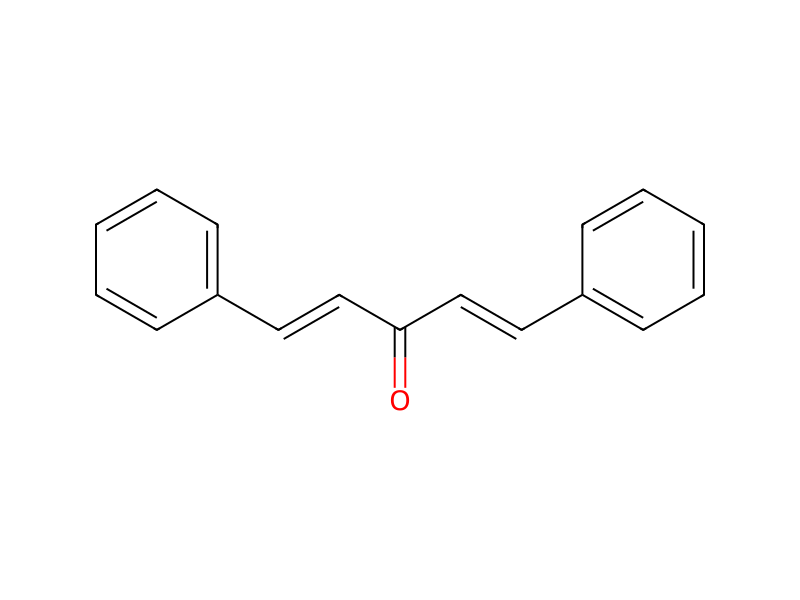
2-(1H-Pyrazol-4-yl)pyridine (292 mg, 2 mmol), 3-bromopyridine (0.23 mL, 2.4 mmol), Cu(OTf)2 (50 mg, 0.1 mmol), dibenzylideneacetone (24 mg, 0.1 mmol), Cs2CO3 (780 mg, 2.4 mmol) and 1,10-phenanthracene (360 mg, 2.4 mmol) in dry o-xylene (1.5 mL) under Ar (g) were heated at 115° C. for 18 h. After cooling to ambient temperature, NH4Cl (20 mL) and dichloromethane (20 mL) were added and the reaction mixture shaken, the dichloromethane layer was separated and the aqueous layer shaken with dichloromethane (2×20 mL). The combined organic layers were dried over Na2SO4 and concentrated in vacuo to a brown oil. This was purified by liquid chromatography on silica gel eluting with EtOAc to give a solid that was further purified by HPLC to afford 2-(1-pyridin-3-yl-1H-pyrazol-4-yl)pyridine. 1H NMR (CD3Cl, 300 MHz) δ 9.08 (1H, d), 8.58-8.64 (2H, m), 8.56 (1H, s), 8.24 (1H, s), 8.12 (1H, ddd), 7.73 (1H, ddd), 7.56-7.59 (1H, m), 7.45 (1H, dd), 7.19 (1H, ddd). MS (ESI) 223 (M+H)+