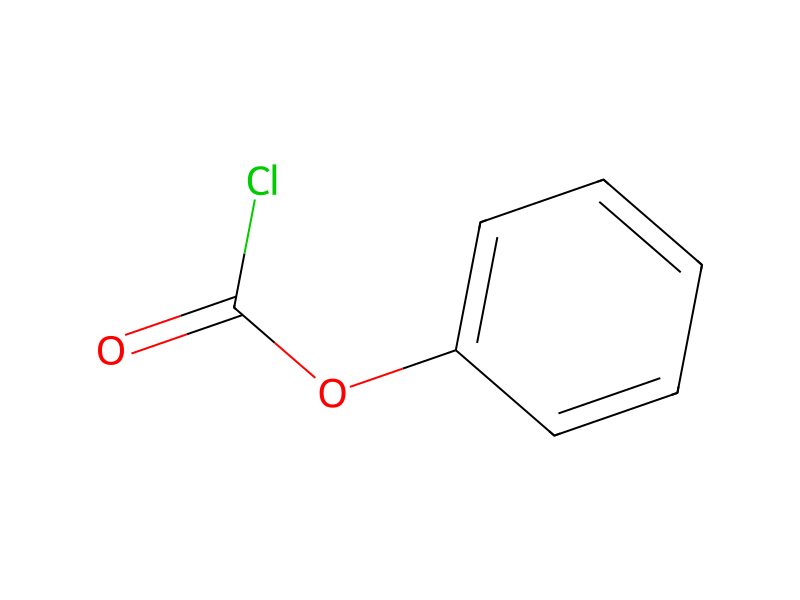
[CH3:1][C:2]1[N:3]=[C:4]([C:19]2[CH:24]=[CH:23][C:22]([C:25]([F:28])([F:27])[F:26])=[CH:21][CH:20]=2)[S:5][C:6]=1[CH2:7][O:8][C:9]1[CH:18]=[CH:17][C:12]([C:13]([NH:15][NH2:16])=[O:14])=[CH:11][CH:10]=1.[C:29]1([O:35]C(Cl)=O)C=CC=CC=1.N1C=CC=CC=1.C1CCN2C(=NCCC2)CC1>ClCCl.C(OCC)(=O)C>[CH3:1][C:2]1[N:3]=[C:4]([C:19]2[CH:24]=[CH:23][C:22]([C:25]([F:28])([F:26])[F:27])=[CH:21][CH:20]=2)[S:5][C:6]=1[CH2:7][O:8][C:9]1[CH:10]=[CH:11][C:12]([C:13]2[O:14][C:29](=[O:35])[NH:16][N:15]=2)=[CH:17][CH:18]=1To a suspension of 4-[4-methyl-2-(4-trifluoromethyl-phenyl)-thiazol-5-ylmethoxy]-benzoic acid hydrazide (Example 8, 271 mg, 0.74 mmol) in dichloromethane (7 mL) add phenylchloroformate (94 μL, 0.75 mmol) followed by pyridine (132 μL, 1.63 mmol). Stir the resulting mixture at room temperature until all the starting material is consumed (by TLC analysis). Concentrate the mixture, and then take the residue up in acetonitrile (10 mL). To this mixture, add DBU (220 μL, 1.5 mmol). Seal the resulting solution; warm it to 180° C. in a Personal Chemistry™ microwave oven and stir at this temperature for 15 min. Cool the reaction to room temperature, dilute with ethyl acetate, wash with 1 M HCl solution (or saturated NaH2PO4 solution) dry over MgSO4 and concentrate. Triturate the resulting residue with dichloromethane several times to give the title compound as a tan solid (69 mg).
Loading…