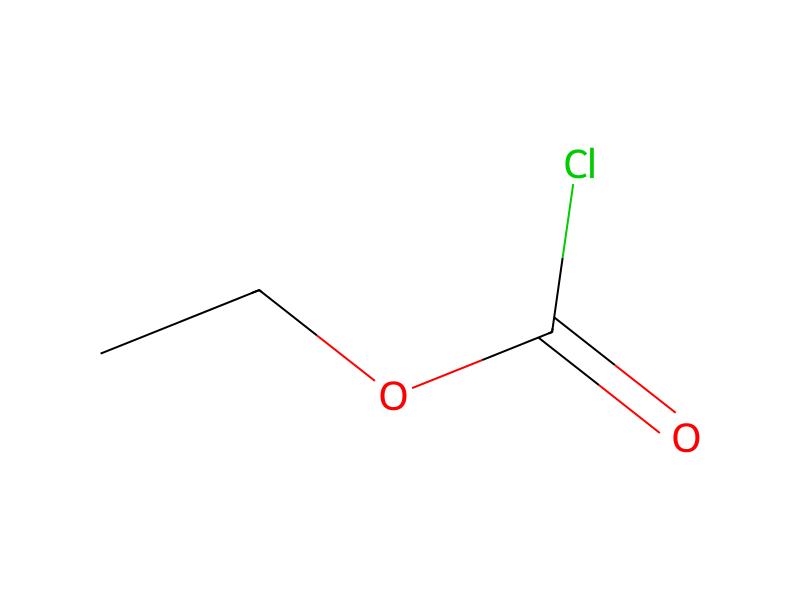
[CH2:1]([O:8][C:9]([NH:11][C:12]12[CH2:19][CH2:18][C:15]([C:20](O)=[O:21])([CH2:16][CH2:17]1)[CH2:14][CH2:13]2)=[O:10])[C:2]1[CH:7]=[CH:6][CH:5]=[CH:4][CH:3]=1.CN1CCOCC1.C(Cl)(=O)OCC.[BH4-].[Na+]>O1CCCC1.CO>[CH2:1]([O:8][C:9]([NH:11][C:12]12[CH2:17][CH2:16][C:15]([CH2:20][OH:21])([CH2:18][CH2:19]1)[CH2:14][CH2:13]2)=[O:10])[C:2]1[CH:7]=[CH:6][CH:5]=[CH:4][CH:3]=14-Benzyloxycarbonylaminobicyclo[2,2,2]octane-1-carboxylic acid (500 mg) was dissolved in tetrahydrofuran (8 mL). While the solution was chilled in a salt/ice bath, N-methylmorpholine (0.18 mL) was added. This was followed by dropwise addition of ethyl chlorocarbonate (0.16 mL) and stirring for 10 minutes. To the reaction mixture, sodium borohydride (187 mg) and then methanol (15 mL) were added and the mixture was stirred below 0° C. for 1 hour. Subsequently, the reaction mixture was concentrated under reduced pressure. To the resulting residue, water was added and the solution was extracted with ethyl acetate. The ethyl acetate layer was then washed sequentially with 1 mol/L hydrochloric acid and water, was dried over anhydrous sodium sulfate, and was concentrated under reduced pressure. The residue was purified by silica gel chromatography (eluant: hexane: ethyl acetate=1:1) to obtain 4-benzyloxycarbonylamino-1-hydroxymethylbicyclo[2,2,2]octane (453 mg).