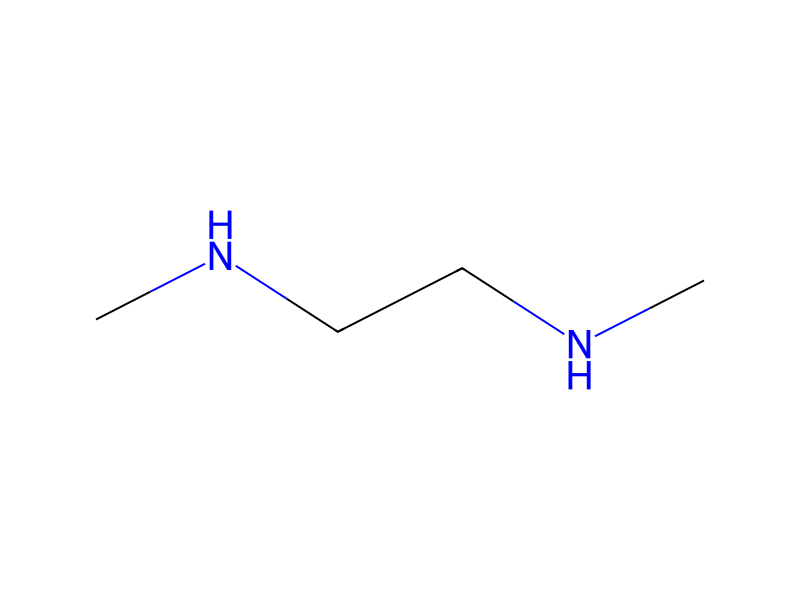
A mixture of 5.0 g (21.0 mmol) of 6-bromo-4-methyl-1H-quinolin-2-one and 400 mg (2.1 mmol) of CuI in 21 mL 1,4-dioxane is evacuated and gassed with argon. Then 6.3 g (42.0 mmol) of NaI and 0.45 mL (4.2 mmol) of N,N′-dimethylethylenediamine are added, the mixture is evacuated again and gassed with argon before being heated overnight to 110° C. HPLC analysis of the mixture shows approximately 20% reaction. Therefore another 400 mg (2.1 mmol) of CuI, 6.3 g (42.0 mmol) of NaI, 0.45 mL (4.2 mmol) of N,N′-dimethylethylenediamine, and 21 mL of 1,4-dioxane are added and this mixture is heated overnight again to 110° C. To complete the reaction, the above procedure is repeated another three times. After cooling, the suspension is combined with 10% NH3 solution and water and the precipitated product is filtered off. This is then washed with 10% NH3 solution, water, isopropanol, DIPE, EtOAc, and DCM and dried overnight in the air. The product, which still contains approximately 20% educt, is further reacted without purification. Yield: 3.0 g (40% of theoretical); C10H8INO (M=285.081); calc.: molpeak (M+H)+: 286; found: molpeak (M+H)+: 286; HPLC-MS: 5.0 min (method B).