Tetrahydrofuran → 6-bromo-2,4-dimethyl-4-phenyl-1,4-dihydro-2H-3,1-benzoxazine
HRID 2120729
Reaction equation

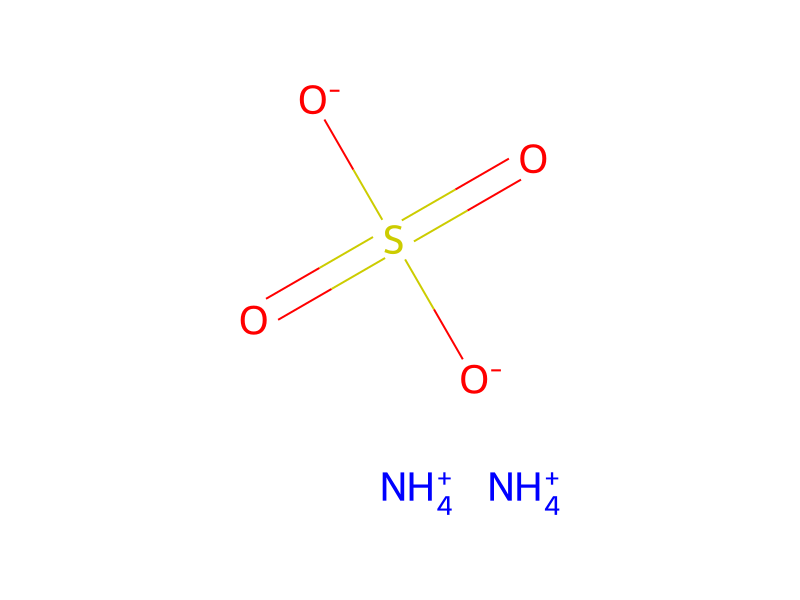
[NH2:1][C:2]1[CH:7]=[CH:6][C:5]([Br:8])=[CH:4][C:3]=1[C:9]([C:11]1[CH:16]=[CH:15][CH:14]=[CH:13][CH:12]=1)=[O:10].S([O-])([O-])(=O)=O.[NH4+].[NH4+].[C:24](OCC)(=O)[CH3:25].[CH2:30]1COCC1>>[Br:8][C:5]1[CH:6]=[CH:7][C:2]2[NH:1][CH:24]([CH3:25])[O:10][C:9]([CH3:30])([C:11]3[CH:12]=[CH:13][CH:14]=[CH:15][CH:16]=3)[C:3]=2[CH:4]=1Participants
5




Procedure
To a solution of (2-amino-5-bromophenyl)(phenyl)methanone (1 g, 3.6 mmol) in anhydrous THF (15 mL) was added at room temperature under nitrogen methylmagnesium bromide (3M in ether, 3 mL, 9 mmol). After 3 hours, the mixture was treated with a saturated aqueous ammonium sulfate solution (30 mL) and ethyl acetate (50 mL). The organic layer was separated, dried (MgSO4), and evaporated. The residue was then dissolved in anhydrous toluene and treated at ambient temperature under nitrogen with acetylaldehyde (2 mL). After 2 minutes, the solvent was removed and residue was purified by a column chromatography (silica gel, hexane:ethyl acetate/4:1) to afford 6-bromo-2,4-dimethyl-4-phenyl-1,4-dihydro-2H-3,1-benzoxazine as a yellowish solid (0.8 g, 70%): MS (ESI) m/z 318/320 [M+H]+.