HomeMCPWorkbenchSkills
HomeWorkbenchNotificationsMe
llms.txt · MCP GuidePrivacy Policy · Terms of Service · Supportv1.8.0
  1. Home
  2. /Reaction

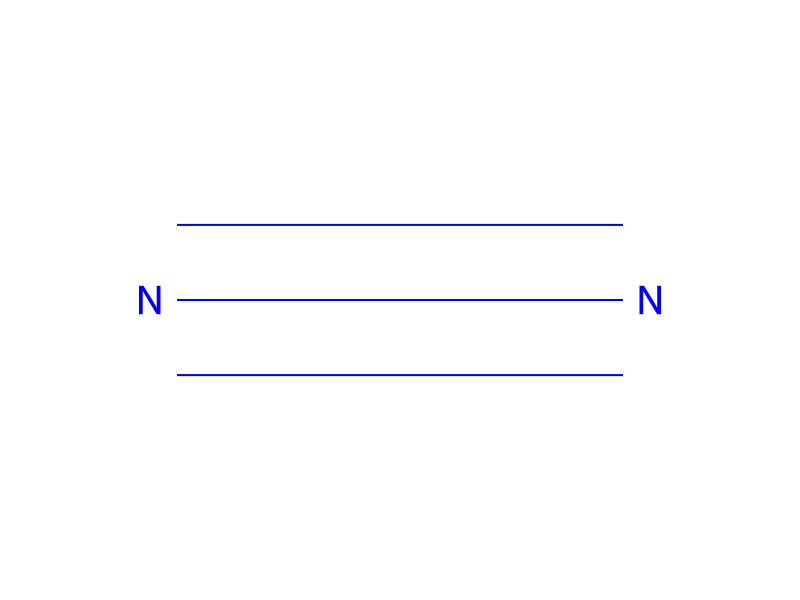
Nitrogen → HCID 21694197, compound

HRID 2173290
Notes
Print preview

Reaction equation

HRID 2173290 reaction equation
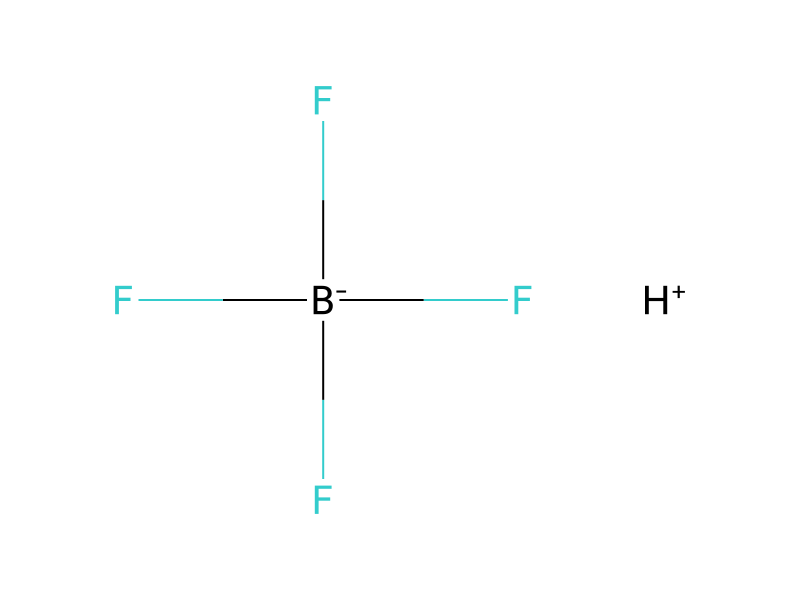
[Br:1][C:2]1[C:3]([OH:10])=[C:4]([CH:7]=[CH:8][CH:9]=1)[CH:5]=O.[H+].[B-](F)(F)(F)F.[CH3:17]COCC.[N+](=C[C:25]([O:27][CH2:28][CH3:29])=[O:26])=[N-].N#N>C(Cl)Cl.CCOC(C)=O>[Br:1][C:2]1[C:3]2[O:10][CH:17]=[C:5]([C:25]([O:27][CH2:28][CH3:29])=[O:26])[C:4]=2[CH:7]=[CH:8][CH:9]=1
ParticipantsProcedureWorkupSources & evidenceReaction notes

Participants

8

Reactant 5

HCID 947NitrogenHCID 3283Diethyl EtherHCID 12192Ethyl diazoacetateHCID 28118Tetrafluoroboric acidHCID 109105553-Bromo-2-hydroxybenzaldehyde

Product 1

HCID 21694197HCID 21694197, compound

Reagents, catalysts & solvents 2

HCID 6344
Dichloromethane
Solvent
2×
HCID 8857Ethyl AcetateSolvent

Procedure

A solution of 3-bromo-2-hydroxybenzaldehyde (20 g, 0.1 mol) in 150 mL of CH2Cl2 was added HBF4.Et2O (1.5 mL, 0.01 mmol). A solution of ethyl diazoacetate (27.36 g, 0.24 mol) in CH2Cl2 (50 mL) was introduced into the reaction mixture, during about 3-6 min and the evolution of N2 gas observed, and the reaction was not allowed to go above 38° C. Once gas evolution ceased, the reaction mixture was concentrated by rotary evaporator and H2SO4 (20 mL) was added to the mixture while stirring. After 30 min, the mixture was diluted with CH2Cl2 (200 mL) and the H2SO4 was quenched with solid NaHCO3. The mixture was then filtered through silica gel (100 g), and concentrated by rotary evaporator to give an oil, then exacted with EtOAc (500 mL), and washed with brine (100 mL), dried over Na2SO4. The solvent was concentrated in vacuo. The residue was separated and purified with silica gel chromatography to give product ethyl 7-bromo-1-benzofuran-3-carboxylate.

Workup

  1. customto go above 38° C
  2. concentrationthe reaction mixture was concentrated by rotary evaporator and H2SO4 (20 mL)
  3. additionwas added to the mixture
  4. additionthe mixture was diluted with CH2Cl2 (200 mL)
  5. customthe H2SO4 was quenched with solid NaHCO3
  6. filtrationThe mixture was then filtered through silica gel (100 g)
  7. concentrationconcentrated by rotary evaporator
  8. customto give an oil
  9. washwashed with brine (100 mL)
  10. dry with materialdried over Na2SO4
  11. concentrationThe solvent was concentrated in vacuo
  12. customThe residue was separated
  13. custompurified with silica gel chromatography

Sources & evidence

ORD record
ord-27b17980268046dc9fab9650f4aec59c
Source dataset
uspto-grants-2015_06
DOI
10.6084/m9.figshare.5104873.v1
Patent number
US09056859B2

Reaction notes

Loading…

On this pageParticipantsProcedureWorkupSources & evidenceReaction notes