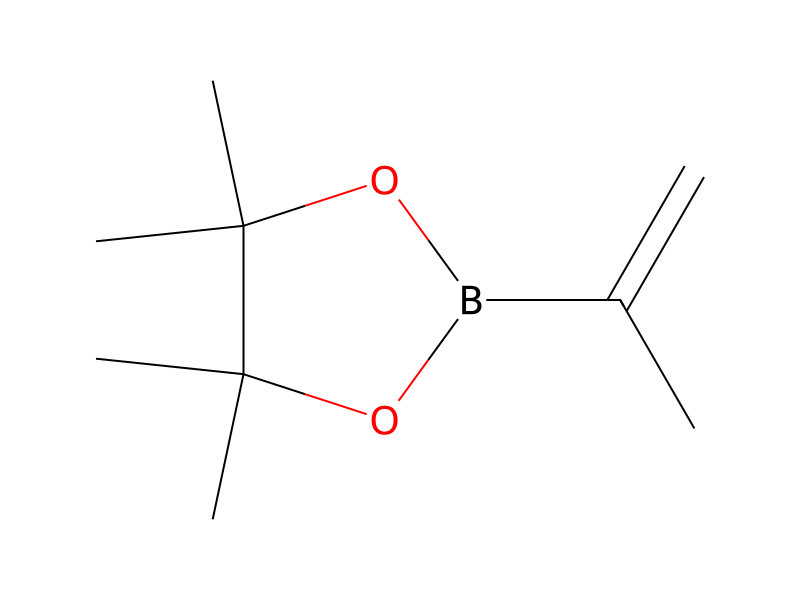
To a solution of methyl 5-bromo-4-phenylthiophene-2-carboxylate in dioxane were added 2-isopropenyl-4,4,5,5-tetramethyl 1,3,2-dioxaborolane and a 2 M aqueous Na2CO3 solution. To the reaction mixture were added palladium acetate and PPh3, followed by stirring at 100° C. for 5 hours. After leaving to be cooled, a saturated aqueous NH4Cl solution was added thereto, followed by extraction with EtOAc. The organic layer was washed with brine, dried over MgSO4, and then concentrated under reduced pressure, followed by purification by silica gel column chromatography (hexane:EtOAc=95:5 to 80:20) to obtain methyl 5-isopropenyl-4-phenylthiophene-2-carboxylate as a colorless liquid.