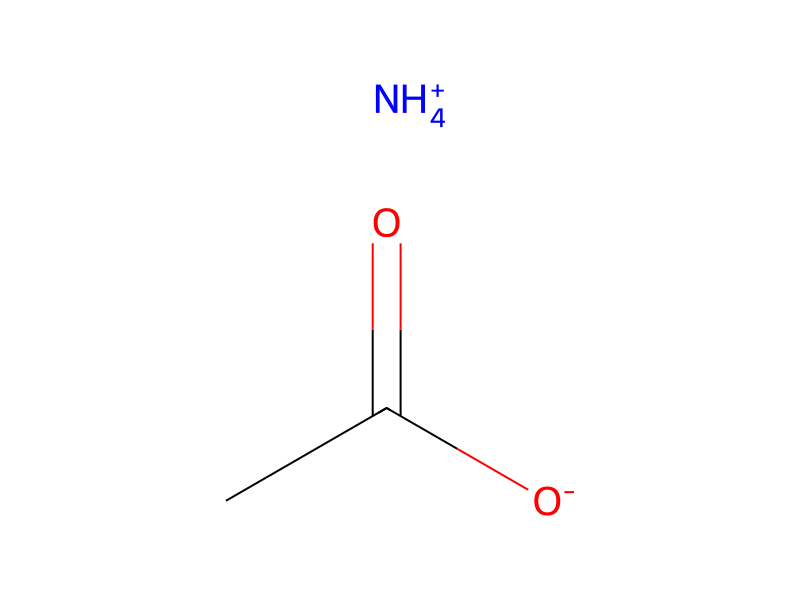
[Cl:1][C:2]1[CH:10]=[CH:9][CH:8]=[C:7]2[C:3]=1[CH:4]=[C:5]([C:18](=O)[CH3:19])[N:6]2[C:11]1[CH:16]=[CH:15][CH:14]=[C:13]([F:17])[CH:12]=1.C([O-])(=O)C.[NH4+].C([BH3-])#[N:27].[Na+]>CO.C(#N)C>[Cl:1][C:2]1[CH:10]=[CH:9][CH:8]=[C:7]2[C:3]=1[CH:4]=[C:5]([CH:18]([NH2:27])[CH3:19])[N:6]2[C:11]1[CH:16]=[CH:15][CH:14]=[C:13]([F:17])[CH:12]=1A mixture of 1-[4-chloro-1-(3-fluorophenyl)-1H-indol-2-yl]ethanone (0.13 g, 0.45 mmol) and ammonium acetate (0.348 g, 4.52 mmol) in methanol (2.0 mL) and acetonitrile (2.0 mL) was heated at 65° C. in a sealed tube for 30 minutes. After cooling to room temperature, to the resultant mixture was added sodium cyanoborohydride (57 mg, 0.91 mmol). The reaction was heated at 65° C. for another 4 hours. After cooling to room temperature, the reaction was quenched with aqueous saturated NaHCO3 solution and then extracted with dichloromethane. The combined organic layers were dried over MgSO4 and concentrated to give the desired product (0.11 g), which was used directly in the next step. LCMS calculated for C16H12ClFN(M-NH2)+: m/z=272.1. Found: 272.0.