HomeMCPWorkbenchSkills
HomeWorkbenchNotificationsMe
llms.txt · MCP GuidePrivacy Policy · Terms of Service · Supportv1.8.3
  1. Home
  2. /Reaction

Triethylamine → (S)-4-Benzyl-3-(2-cyclopropyl-acetyl)-oxazolidin-2-one

HRID 2176284
Print

Reaction equation

HRID 2176284 reaction equation
[CH:1]1([CH2:4][C:5]([OH:7])=O)[CH2:3][CH2:2]1.C(N(CC)CC)C.CC(C)(C)C(Cl)=O.[CH2:22]([C@H:29]1[CH2:33][O:32][C:31](=[O:34])[NH:30]1)[C:23]1[CH:28]=[CH:27][CH:26]=[CH:25][CH:24]=1.[Cl-].[Li+]>O1CCCC1>[CH2:22]([C@H:29]1[CH2:33][O:32][C:31](=[O:34])[N:30]1[C:5](=[O:7])[CH2:4][CH:1]1[CH2:2][CH2:3]1)[C:23]1[CH:24]=[CH:25][CH:26]=[CH:27][CH:28]=1
ParticipantsConditionsProcedureWorkupSources & evidenceReaction notes

Participants

7

Reactant 5

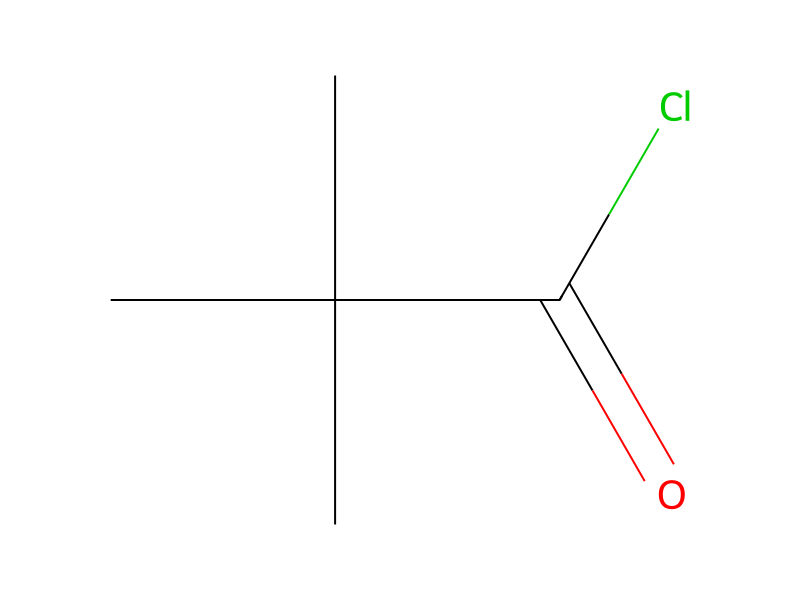
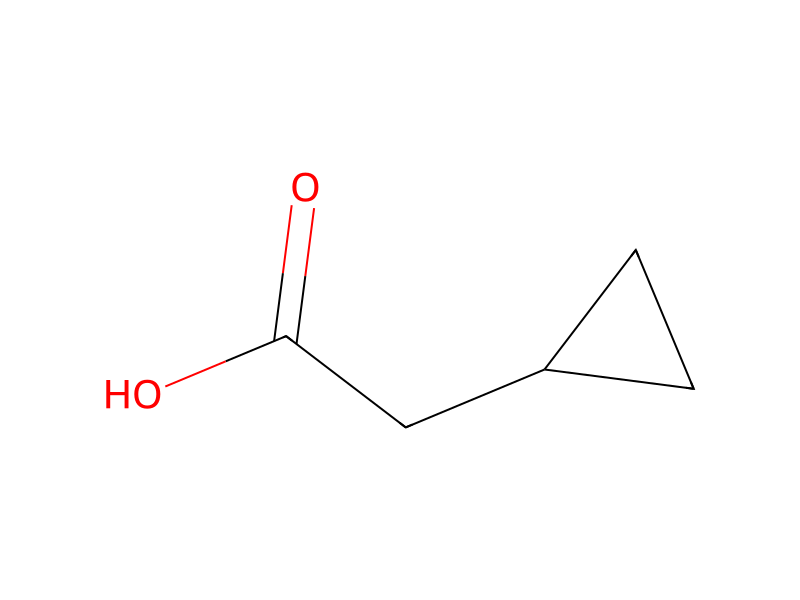
HCID 8471TriethylamineHCID 62493Pivaloyl chlorideHCID 138440Cyclopropaneacetic acidHCID 433294Lithium ChlorideHCID 736225(S)-4-Benzyl-2-oxazolidinone

Product 1

HCID 66645641(S)-4-Benzyl-3-(2-cyclopropyl-acetyl)-oxazolidin-2-one
Yield 87.5%

Reagents, catalysts & solvents 1

HCID 8028TetrahydrofuranSolvent

Conditions

Temperature
-40 °C

Procedure

A cooled (−40° C.) solution of cyclopropylacetic acid (5.13 g, 51.250 mmol) in anhydrous tetrahydrofuran (150 mL) was subsequently treated with triethylamine (21.4 mL, 153.75 mmol) and trimethylacetyl chloride (6.9 mL, 56.375 mmol). After stirring at −40° C. for 1 h, the mixture was treated with (S)-4-benzyl-oxazolidin-2-one (9.99 g, 56.375 mmol) and lithium chloride (2.39 g, 56.375 mmol). The mixture was allowed to slowly warm to room temperature and after stirring at room temperature for 22 h, the reaction was partitioned between dichloromethane and half-saturated ammonium chloride. The aqueous layer was extracted with dichloromethane. The organics were combined, filtered through a phase separator and the volatiles were removed in vacuo. The residue was purified by silica gel chromatography using a 100 g Isolute cartridge eluted with a continuous gradient of iso-hexanes/ethyl acetate 1:0 to 9:1 to afford the title compound (11.63 g, 87%) as a colorless oil. 1H NMR (300 MHz, CDCl3) δ 0.19-0.32 (m, 2H), 0.56-0.69 (m, 2H), 1.10-1.24 (m, 1H), 2.76-2.87 (m, 2H), 2.96 (dd, J=16.9, 6.9 Hz, 1H), 3.34 (dd, J=13.2, 3.3 Hz, 1H), 4.15-4.29 (m, 2H), 4.66-4.77 (m, 1H), 7.20-7.40 (m, 5H). LCMS (m/z) 282.1 [M+Na], Tr=2.78 min.


Workup

  1. temperatureto slowly warm to room temperature
  2. stirringafter stirring at room temperature for 22 h
  3. customthe reaction was partitioned between dichloromethane and half-saturated ammonium chloride
  4. extractionThe aqueous layer was extracted with dichloromethane
  5. filtrationfiltered through a phase separator
  6. customthe volatiles were removed in vacuo
  7. customThe residue was purified by silica gel chromatography
  8. washeluted with a continuous gradient of iso-hexanes/ethyl acetate 1:0 to 9:1

Sources & evidence

ORD record
ord-ed23d9f6b81b4e30abfb4534a712b5bd
Source dataset
uspto-grants-2015_06
DOI
10.6084/m9.figshare.5104873.v1
Patent number
US09062092B2

Reaction notes

On this pageParticipantsConditionsProcedureWorkupSources & evidenceReaction notes