HomeMCPWorkbenchSkills
HomeWorkbenchNotificationsMe
llms.txt · MCP GuidePrivacy Policy · Terms of Service · Supportv1.8.3
  1. Home
  2. /Reaction

Acetic Acid → 2-ethyl-2-adamantyl Methacrylate p-hydroxystyrene

HRID 2181596
Print

Reaction equation

HRID 2181596 reaction equation
[C:1]([O:6][C:7]1([CH2:17][CH3:18])[CH:14]2[CH2:15][CH:10]3[CH2:11][CH:12]([CH2:16][CH:8]1[CH2:9]3)[CH2:13]2)(=[O:5])[C:2]([CH3:4])=[CH2:3].C([O:22][C:23]1[CH:30]=[CH:29][C:26]([CH:27]=[CH2:28])=[CH:25][CH:24]=1)(=O)C.C(O)(=O)C>CN(C)C1C=CN=CC=1.CO>[C:1]([O:6][C:7]1([CH2:17][CH3:18])[CH:8]2[CH2:16][CH:12]3[CH2:11][CH:10]([CH2:15][CH:14]1[CH2:13]3)[CH2:9]2)(=[O:5])[C:2]([CH3:4])=[CH2:3].[OH:22][C:23]1[CH:30]=[CH:29][C:26]([CH:27]=[CH2:28])=[CH:25][CH:24]=1
ParticipantsProcedureWorkupSources & evidenceReaction notes

Participants

6

Reactant 3

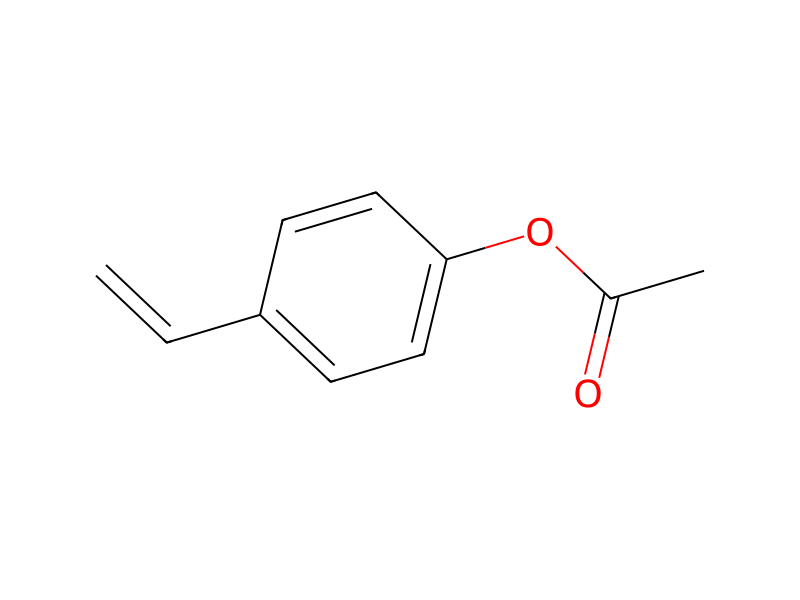
HCID 176Acetic AcidHCID 758214-Ethenylphenyl acetateHCID 98136452-Ethyl-2-methacryloyloxyadamantane

Product 1

HCID 225083922-ethyl-2-adamantyl Methacrylate p-hydroxystyrene

Reagents, catalysts & solvents 2

HCID 142844-(Dimethylamino)pyridineCatalyst
HCID 887
Methanol
Solvent

Procedure

Into a flask were added 250 g of the 2-ethyl-2-adamantyl methacrylate and p-acetoxystyrene copolymer (20:80) obtained in Synthetic Example 1, 10.3 g (0.084 mol) of 4-dimethylaminopyridine and 202 g of methanol, followed by refluxing for 20 hours. After cooling, the reaction mixture was neutralized with 7.6 g (0.126 mol) of glacial acetic acid, and the product was precipitated by pouring the reaction mixture into a large amount of water. After the precipitated polymerized product was separated by filtration and redissolved in acetone, the procedure of precipitation by pouring polymer solution into a large amount of water was repeated for a total of 3 times to purify the polymerized product. The obtained copolymer of 2-ethyl-2-adamantyl methacrylate and p-hydroxystyrene was 95.9 g. This copolymer had a weight-average molecular weight of about 8,600 with dispersion of 1.65 (GPC method; on polystyrene basis), and its copolymerization ratio was determined to be about 20:80 by a nuclear magnetic resonance (13C-NMR) analyzer. This resin was referred to as Resin A1.

Workup

  1. temperatureby refluxing for 20 hours
  2. temperatureAfter cooling
  3. customthe product was precipitated
  4. additionby pouring the reaction mixture into a large amount of water
  5. customAfter the precipitated polymerized product
  6. customwas separated by filtration
  7. dissolutionredissolved in acetone
  8. customthe procedure of precipitation
  9. additionby pouring polymer solution into a large amount of water
  10. customto purify the polymerized product
  11. customwith dispersion of 1.65 (GPC method; on polystyrene basis), and its copolymerization ratio

Sources & evidence

ORD record
ord-dec2aaf266724b23b439d868ebf97327
Source dataset
uspto-grants-2005_05
DOI
10.6084/m9.figshare.5104873.v1
Patent number
US06893794B2

Reaction notes

On this pageParticipantsProcedureWorkupSources & evidenceReaction notes