HomeMCPSkillsWorkbenchOpenChem
HomeWorkbenchNotificationsMe
llms.txt · skill.md · MCP GuidePrivacy Policy · Terms of Service · Supportv1.8.6
  1. Home
  2. /Reaction

Hydrochloric Acid → (1-((2,6-Difluorophenyl)methyl)-4-methylbenzimidazol-2-yl)methan-1-ol

HRID 2182078
Print

Reaction equation

C(O)(=[O:5])C(C)C.Cl.[F:8][C:9]1[CH:14]=[CH:13][CH:12]=[C:11]([F:15])[C:10]=1[C:16]1C=CC=CC=1CBr.[Si](Cl)(C(C)(C)C)(C)C.[N+:32]([CH2:45][CH2:46]CC)([CH2:41][CH2:42][CH2:43][CH3:44])(CCCC)CCCC.[F-].[O-][Mn](=O)(=O)=O.[K+].[N:56]1C=C[CH:59]=[CH:58][CH:57]=1>C1COCC1>[F:15][C:11]1[CH:12]=[CH:13][CH:14]=[C:9]([F:8])[C:10]=1[CH2:16][N:32]1[C:41]2[CH:42]=[CH:43][CH:44]=[C:58]([CH3:59])[C:57]=2[N:56]=[C:45]1[CH2:46][OH:5]
ParticipantsProcedureWorkupSources & evidenceReaction notes

Participants

9

Reactant 7

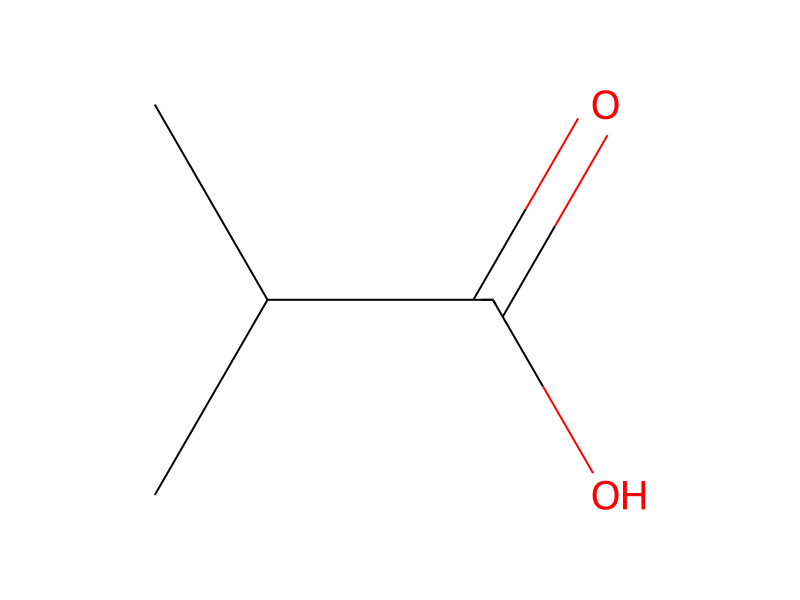
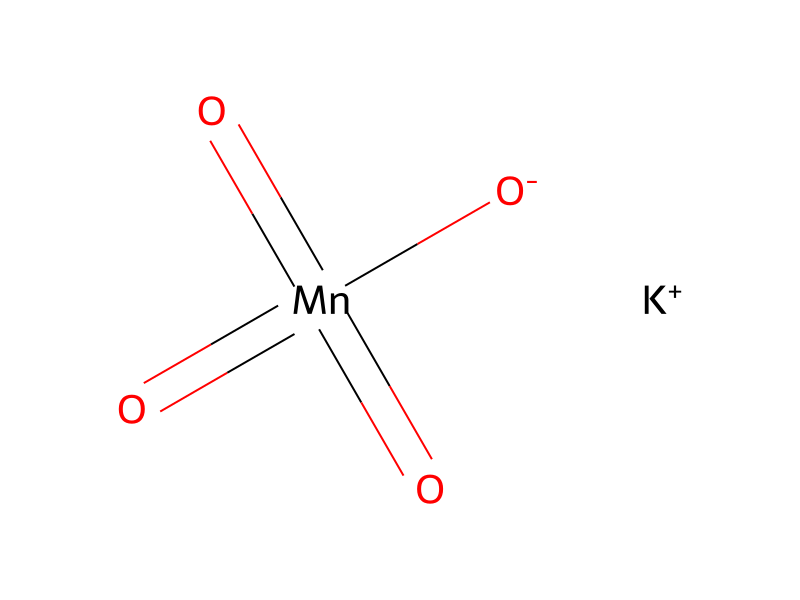
HCID 313Hydrochloric AcidHCID 1049PyridineHCID 6590Isobutyric AcidHCID 28928tert-Butyldimethylsilyl chlorideHCID 516875Potassium PermanganateHCID 2724141Tetrabutylammonium FluorideHCID 86757937
2,6-Difluorophenyl-alpha-bromotoluene
2×

Product 1

HCID 468845(1-((2,6-Difluorophenyl)methyl)-4-methylbenzimidazol-2-yl)methan-1-ol

Reagents, catalysts & solvents 1

HCID 8028TetrahydrofuranSolvent

Procedure

FIG. 4 provides a schematic of substituted N-2(2,6-difluorobenzyl)-benzimidazoles. In this Figure, “a” comprises glycolic or isobutyric acid, 4 N HCl, reflux; “b” comprises 2,6-F2-BzCl (7) or 2,6-F2Bnr (25); “c” comprises t-butyldimethylsilylchloride (tBDMSCl), pyridine; “d” comprises Bu4NF, THF; “e” comprises KMnO4; and “f” comprises CrO3. As shown in FIG. 4, the hydroxymethyl intermediate was protected with t-butyldimethylsilyl (TBDMS), and subsequently N-alkylated with 2,6-difluorophenyl-α-bromotoluene (25). Removal of TBDMS from (31) resulted in the production of 1-(2,6-difluorobenzyl)-2-hydroxymethyl-4-methylbenzimidazole (49). However, oxidation of the hydroxymethyl to the carboxylic acid was found to be problematic. When a strong oxidant (e.g., KMnO4) was used, the isolated product (50) indicated that decarboxylation occurred under acidic reaction conditions. Oxidation under basic conditions with chromium oxide similarly yielded (50), along with the formyl product. The carboxylic acid form was not isolated. A final product prepared from the 2-hydroxymethylbenzimidazole (4) was the bis-2,6-difluorobenzyl derivative (32).


Workup

  1. customRemoval of TBDMS from (31)

Sources & evidence

ORD record
ord-37d0c1890f6247b388734bc8754c3589
Source dataset
uspto-grants-2005_05
DOI
10.6084/m9.figshare.5104873.v1
Patent number
US06894068B2

Reaction notes

On this pageParticipantsProcedureWorkupSources & evidenceReaction notes