Chlorotrimethylsilane → Methyl alpha-bromo-4-(3-(2-propyl-4-phenoxy-phenoxy)propoxy)phenylacetate
HRID 2185031
Reaction equation

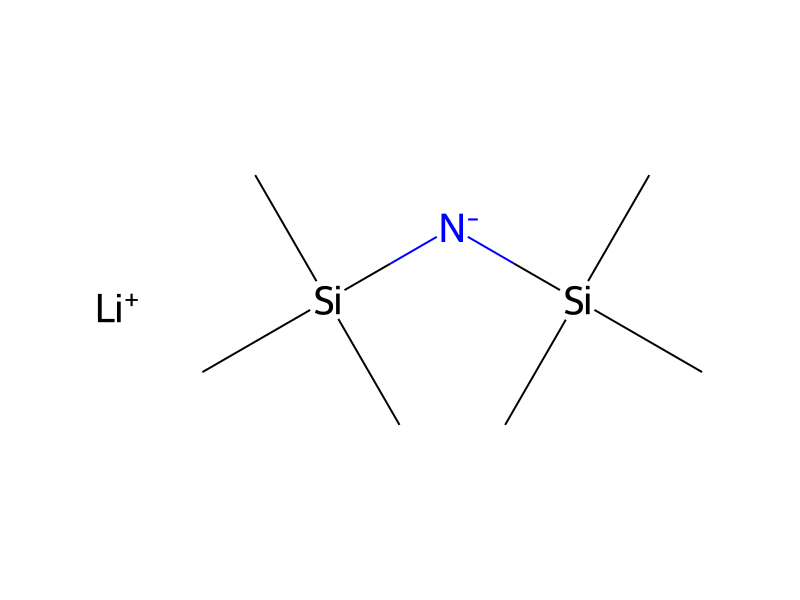
C[Si]([N-][Si](C)(C)C)(C)C.[Li+].C[Si](Cl)(C)C.[CH2:16]([C:19]1[CH:40]=[C:39]([O:41][C:42]2[CH:47]=[CH:46][CH:45]=[CH:44][CH:43]=2)[CH:38]=[CH:37][C:20]=1[O:21][CH2:22][CH2:23][CH2:24][O:25][C:26]1[CH:31]=[CH:30][C:29]([CH2:32][C:33]([O:35][CH3:36])=[O:34])=[CH:28][CH:27]=1)[CH2:17][CH3:18].[Br:48]N1C(=O)CCC1=O>C1COCC1>[Br:48][CH:32]([C:29]1[CH:30]=[CH:31][C:26]([O:25][CH2:24][CH2:23][CH2:22][O:21][C:20]2[CH:37]=[CH:38][C:39]([O:41][C:42]3[CH:47]=[CH:46][CH:45]=[CH:44][CH:43]=3)=[CH:40][C:19]=2[CH2:16][CH2:17][CH3:18])=[CH:27][CH:28]=1)[C:33]([O:35][CH3:36])=[O:34]Participants
6